
PROJECT MEMBER

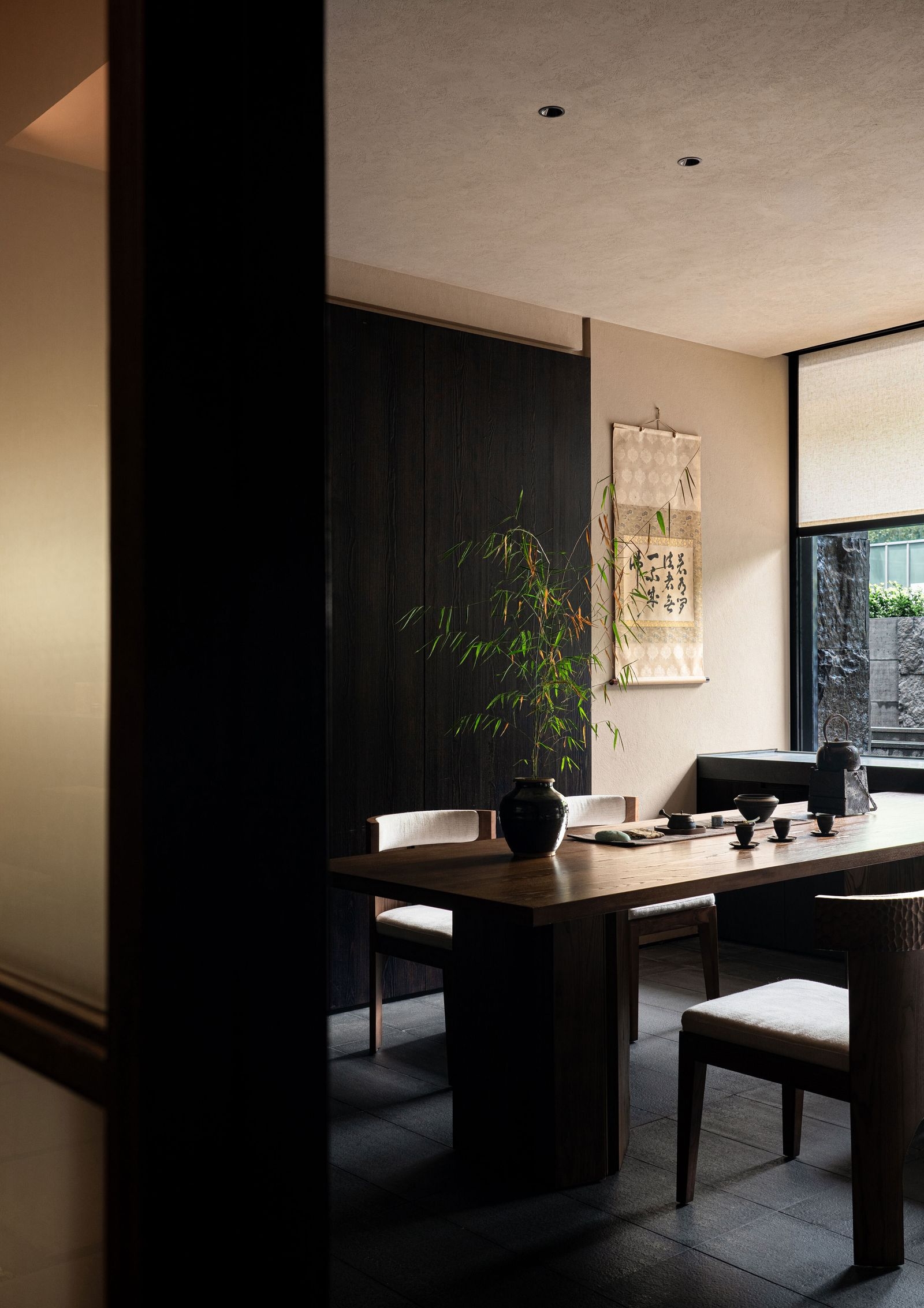
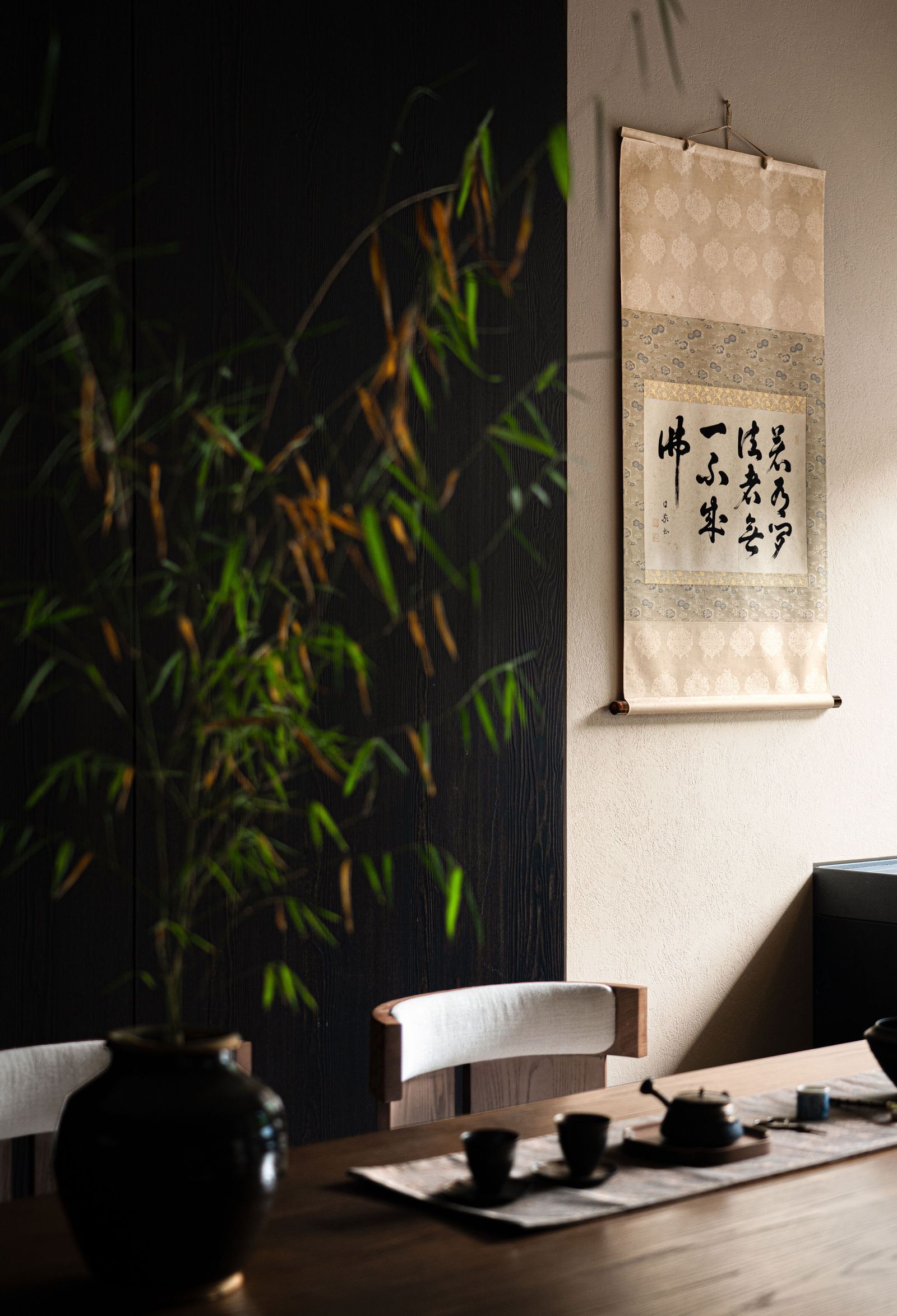
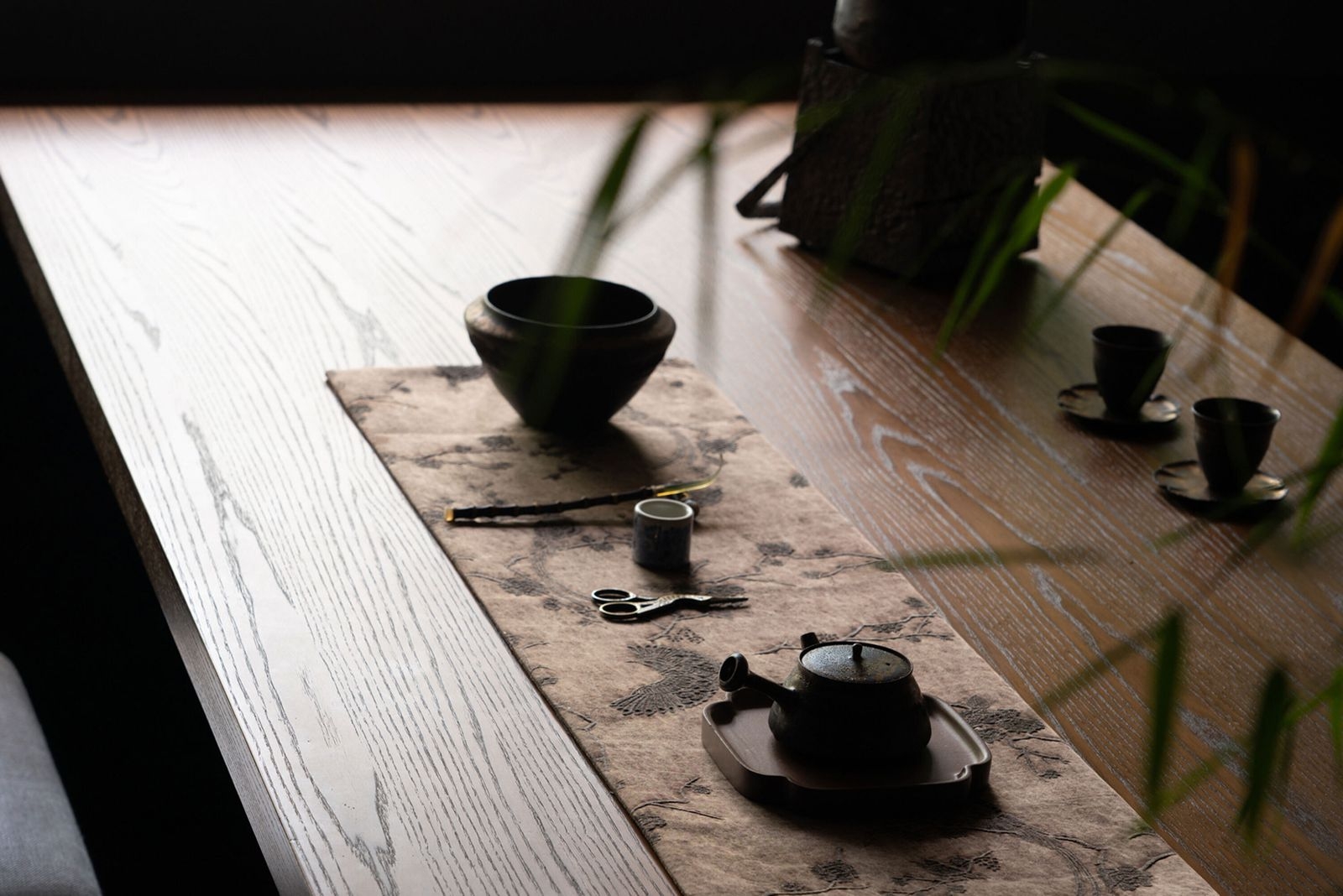
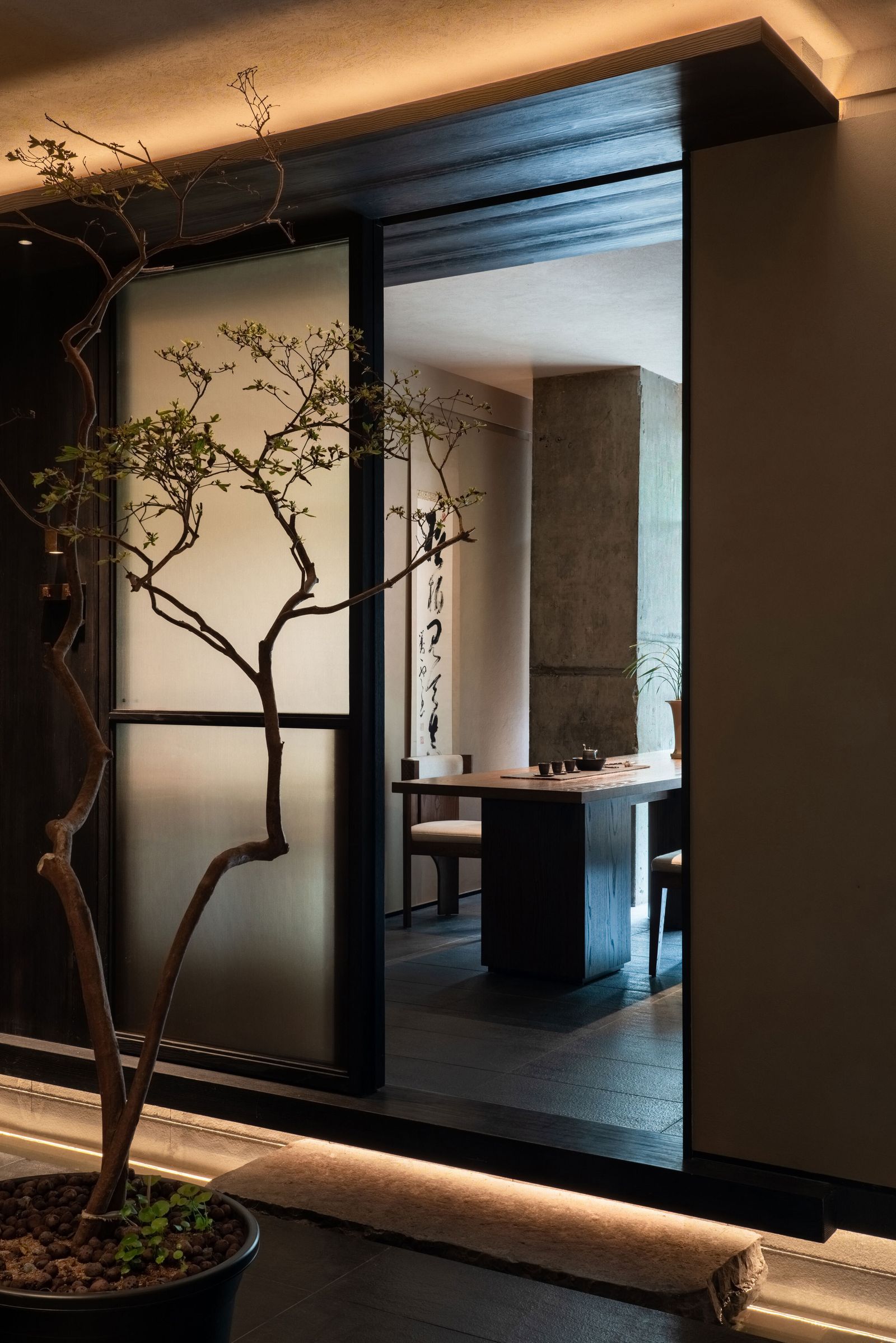
Appealing to Nature, Cultural Spirit, and Simple Living Constructing connections between the ancient and modern, urban and natural, activating the closest spiritual link to consumers, ultimately realizing commercial value and cultural intent. After a gentle rain, the lush bamboo sways, dancing in the sunlight. Red fish swim, water cascades into the pond, and deep in the courtyard, one can hear the distant sound of boiling water. In this moment of tranquil clarity amidst the courtyard's bustle, silence envelops all. In January 2024, JiShanYu · Tea Events will welcome guests in Shanghai after seven months of design and construction. The IN.X space connects indoors and outdoors through the courtyard, creating a contemporary context where "people dwell among flora"—echoing the traditional imagery of tea, achieving a genuine Eastern lifestyle and exploring brand value. Tea, JiShanYu "Exceptional teas flourish by the stream; the Wuyi immortal has cultivated them since ancient times." In the 500-kilometer stretch of the Wuyi Mountains, alongside black and yellow teas, the other four major Chinese tea types have played pivotal roles. Tea, straddling the boundaries of elegance and commonality, generates patterns of relationships between humanity and nature. It begins as a plant; Wuyi’s natural conditions favor tea cultivation, making tea synonymous with the mountain’s language. Despite cultural disruptions in Chinese history, the material foundation of tea endures, embodying a natural philosophy. Within diverse landscapes and cultural contexts, Chinese tea flows like a clear breeze, where both space and tea drinking become avenues for practice, and the immersive experience itself is joyful. Prologue to the Garden and Tea Events Ouyang Xiu's line, “How deep is the courtyard? Willow smoke swirls, countless curtains sway,” captures the essence of Eastern courtyards. Beyond architectural constraints, courtyards embody the poetic essence of Chinese dwelling, reflecting the heart of heaven and earth. In the Bay Valley Technology Park, JiShanYu enjoys a 158㎡ outdoor courtyard. The design leverages vertical height variations, creating imagery reminiscent of pavilions and islands, leading to hidden paths and wandering experiences. The courtyard's scenery unfolds as one meanders—water’s edge with stones, hidden beneath bamboo, which veils the walls... Guests enter the restaurant through an eastern door, ascending past steps, floating bridges, ponds, stones, and bamboo groves. The courtyard oscillates between vigor and tranquility, adapting to the wanderer's mood—ever-changing, it serves as the prelude to the tea experience. If one pauses for tea, entering the garden through narrow sliding doors, a wave of greenery and spring water welcomes, blending scents of tea with the evening breeze, creating a climactic experience. Seated by the spring, surrounded by mountains and waters, the emotions confined within narrow walls are liberated. Strategy First, Design Second Historically, differences in region, species, and climate have diversified the tea culture in China, where no single tea path can dominate. Yet, this diversity allows for exploration within Chinese tea drinking and expression. While constantly evolving, tea in China remains as pure as a gentle breeze or bright moonlight—priceless, where "only the clear winds on the river and the bright moon in the mountains produce sound and color." Thus, the spatial strategy returns to its roots—appealing to nature, cultural spirit, and simple living, constructing a bridge between ancient and modern, urban and natural. Visitors sit quietly, brew tea, converse, and celebrate... The forms of tea events may change with time and needs, yet the deep connections of taste and spirit endure, ultimately building a close bond between the brand and consumers, realizing commercial value and cultural intent.
1