

補足資料
PROJECT MEMBER

DATA
- ビルディングタイプ
- パビリオン・イベントブース
- 構造
- 鉄骨造
- 工事種別
- 新築
- 延べ床面積
- 262㎡
- 竣工
- 2024-03
CREDIT
- 撮影
- Vinay Panjwani, India
- 設計
- INI Design Studio
- 施工
- Navratna Group
- 構造設計
- SCHAFBOCK Design Workshop)
- Tensile Engineer
- SCHAFBOCK Design Workshop
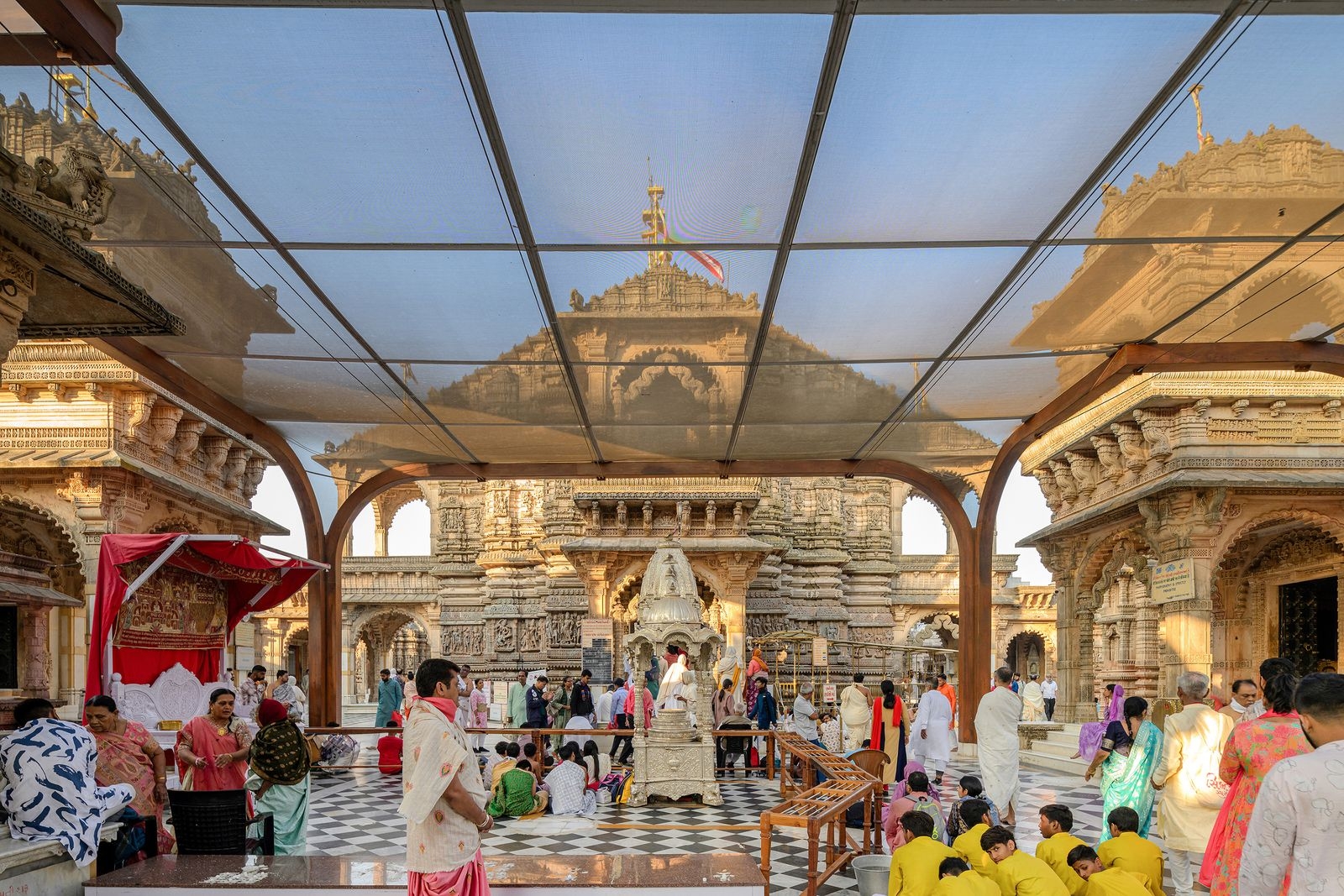
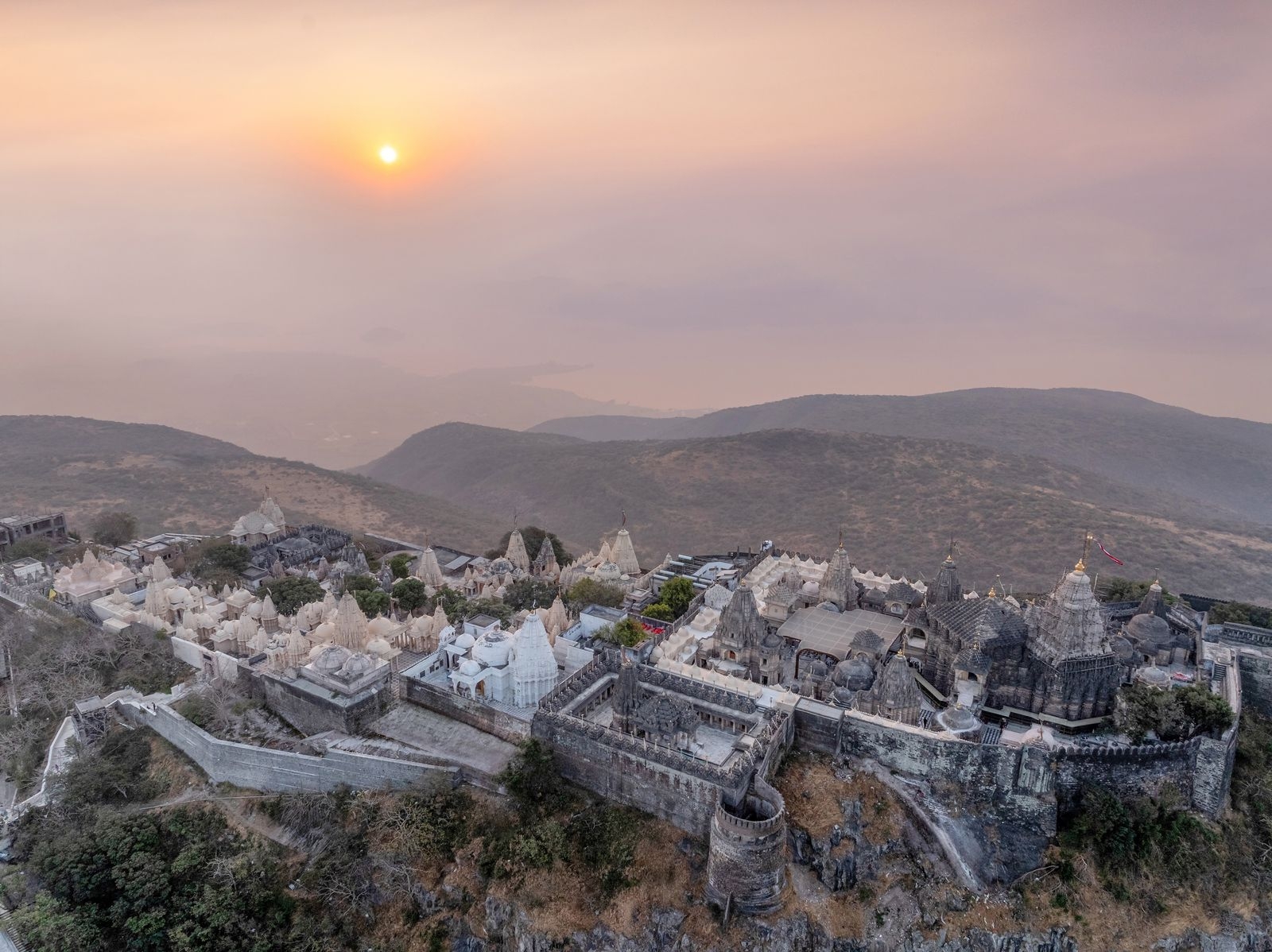
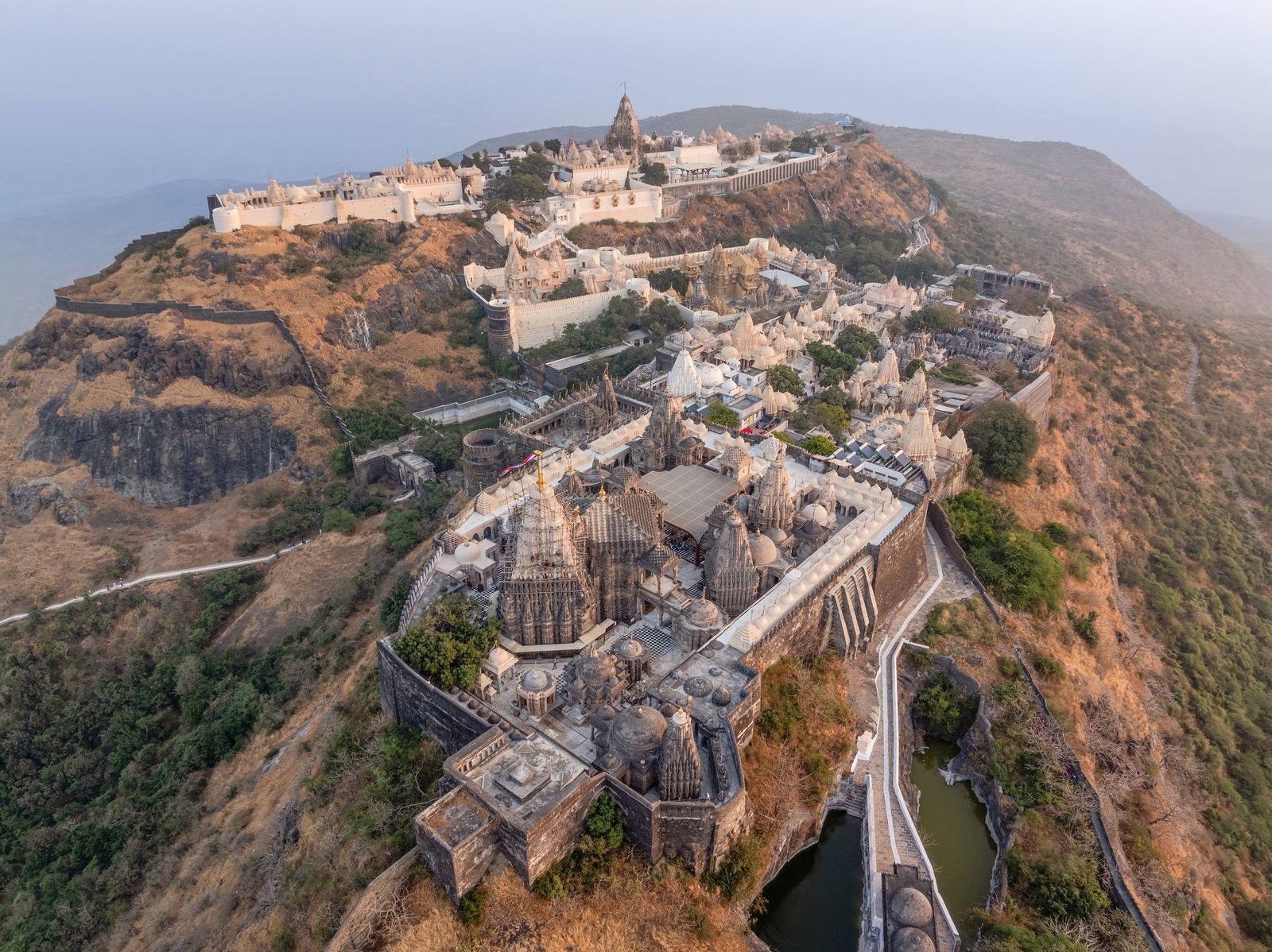
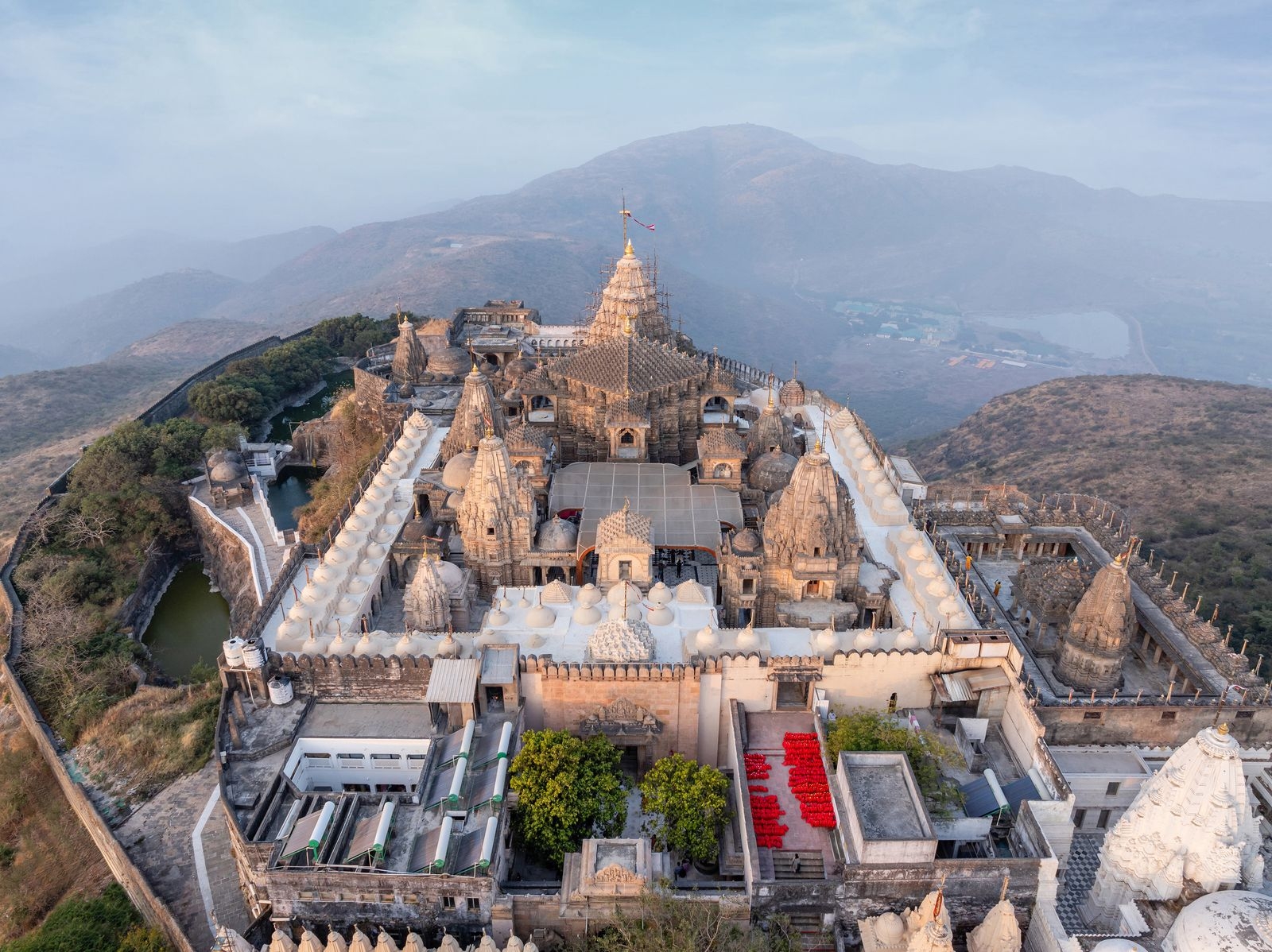
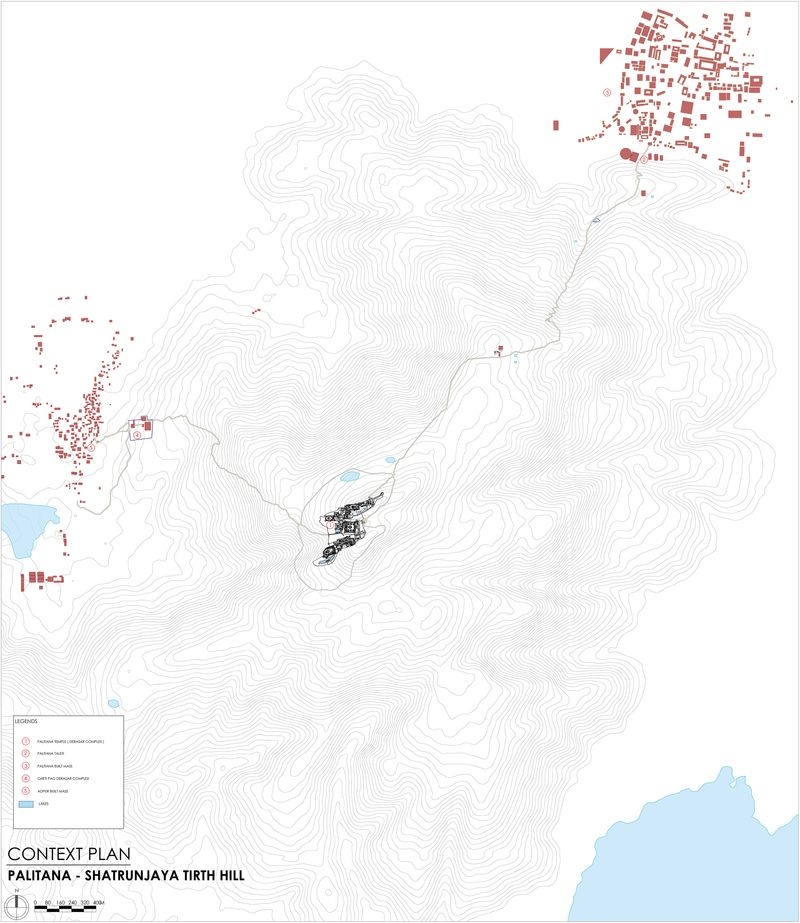
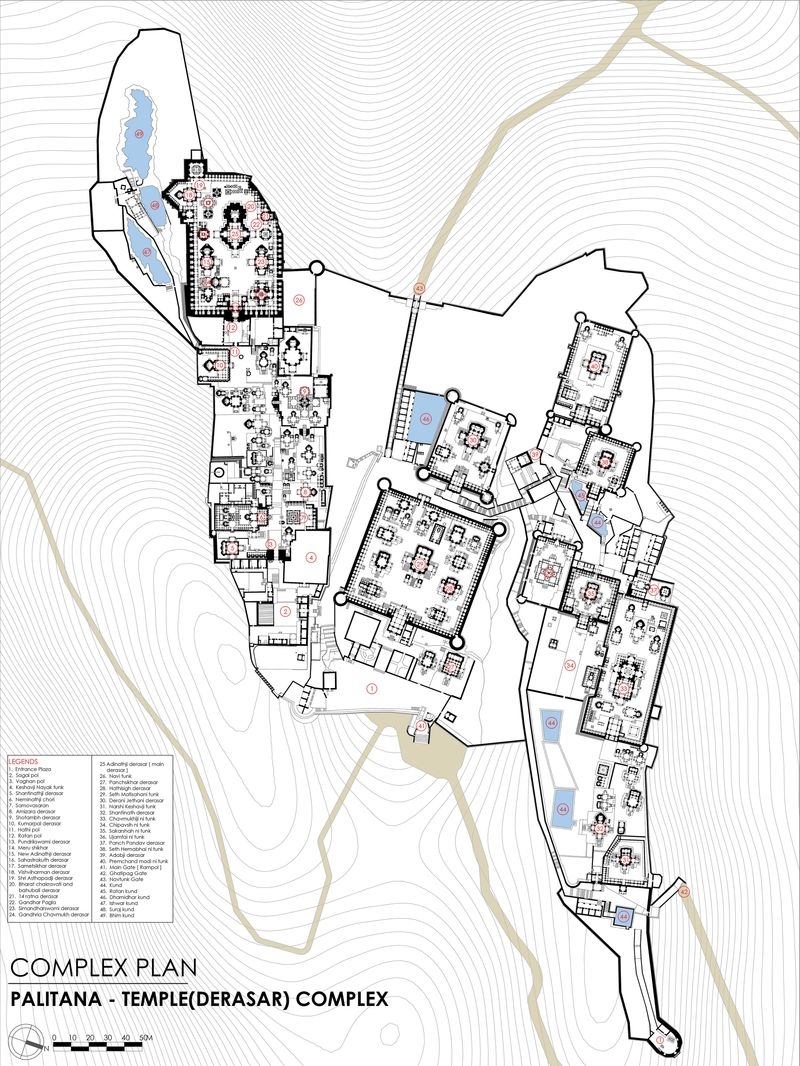
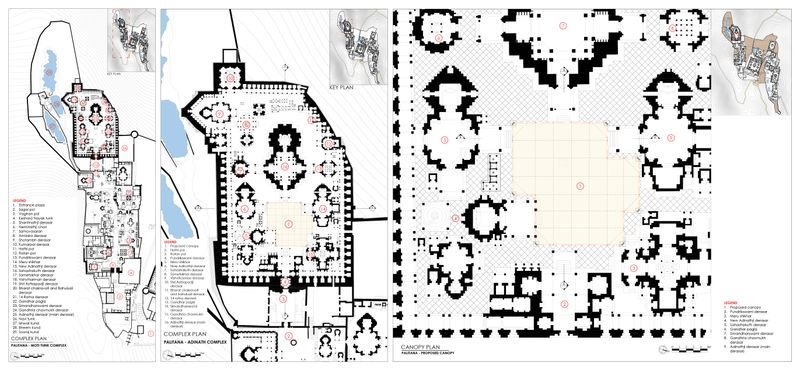
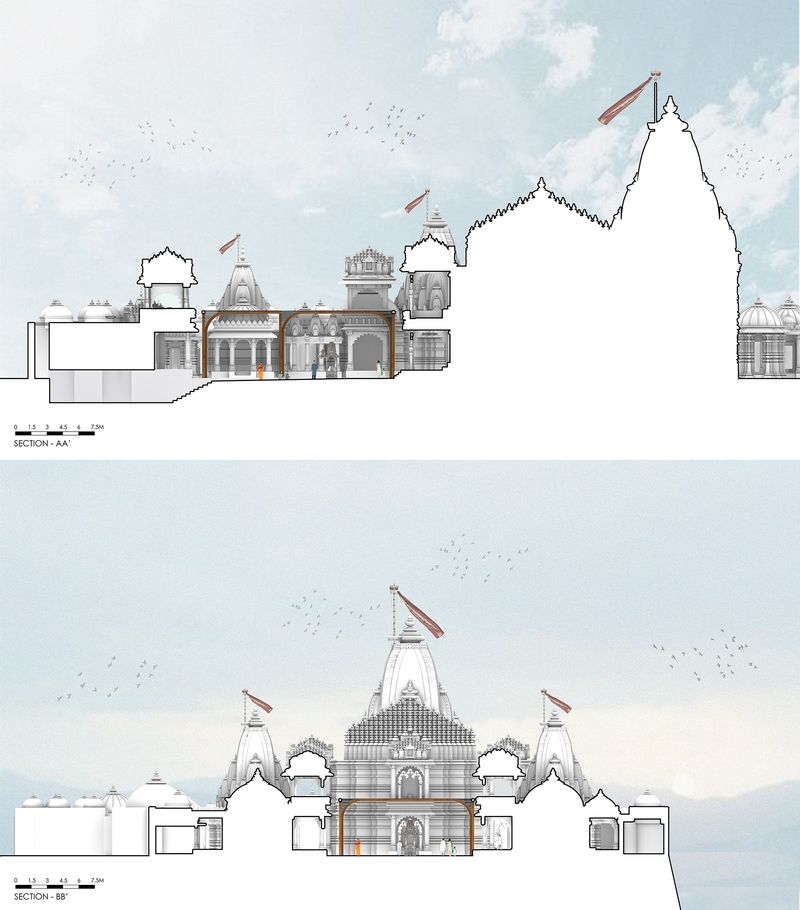
Perched atop the Shatrunjaya Hills in Gujarat, India, the Palitana temple complex is one of the most sacred Jain pilgrimage sites, home to more than 900 shrines built over nine centuries. Each year, over half a million devotees ascend 3,500 steep stone steps to reach this spiritual summit—an arduous yet profoundly symbolic journey toward moksha, or liberation. Until recently, this ascent culminated in an open courtyard exposed to the region’s unforgiving climate—harsh summer heat and intense monsoon rains. The challenge was clear—how could architecture intervene in such a hallowed context without disrupting its sanctity? The Palitana Rangmandap (रंगमंडप), a shading canopy, was conceived as an intervention to offer respite, without compromising the sanctity or symbolic purity of the site. In traditional Indian temple architecture, a Rangmandap is a pillared hall—often used for congregational gatherings, ceremonial rituals, or devotional music and dance performances. It serves as a transitional space between the outer world and the sanctum, encouraging collective pause and spiritual reflection. Rather than asserting itself as a dominant architectural form, the Palitana Rangmandap is designed as a gesture of reverence—one that acknowledges the spiritual potency of the site while serving a functional need. Suspended delicately above the main congregation area, the column-free canopy ensures uninterrupted darshan—the upward gaze toward the shikhar (temple spire)—which in Jain tradition represents the soul’s ascent to the divine. This spiritual axis between earth, temple, and sky is fundamental to the ritual experience; the intervention’s primary intent is to amplify this symbolism, not overshadow it. Climatic data—including shadow analysis, surface thermal simulations, and seasonal temperature mapping—informed the orientation, scale, and curvature of the canopy. The result is a form that deflects direct sun, encourages natural ventilation, and allows soft, diffused daylight to filter through the tensile membrane—creating a luminous and contemplative atmosphere for rest and ritual. Material selection was guided by performance, contextual relevance, and aesthetics. The canopy is crafted from high-tenacity polyester fabric coated with PVC—lightweight, UV-resistant, and highly durable, while the structural support system is made from corrosion-free steel. Its muted palette blends with the site's limestone tones, reinforcing the architecture’s humility and visual restraint. Integrated LED lighting extends the usability of the space into evening hours without visual intrusion. There is no attempt to imitate temple architecture or introduce decorative motifs. The Rangmandap instead positions itself as a contemporary companion—supporting ritual, encouraging pause, and amplifying the site's inherent spirituality through a clarity and lightness rooted in restraint. In a landscape where additions to heritage sites often risk visual noise or historical mimicry, the Palitana Rangmandap proposes another path: architecture as enabler, not spectacle. Exemplifying a radical architectural humility, it does not compete with the temple forms—it frames them. It protects without dominating, adds without imposing, and reminds us that the most powerful architectural gestures are often the quietest ones.