
PROJECT MEMBER
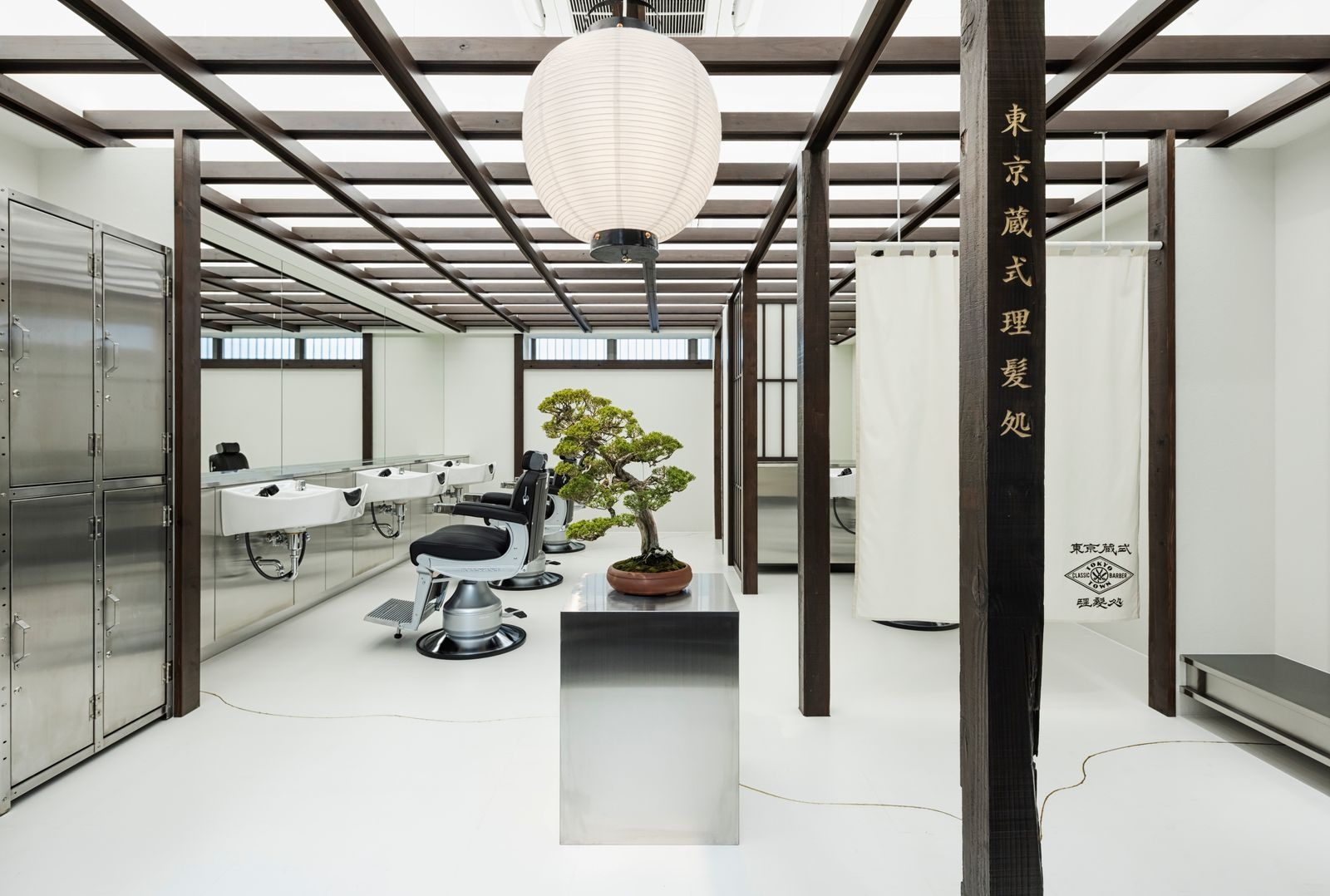
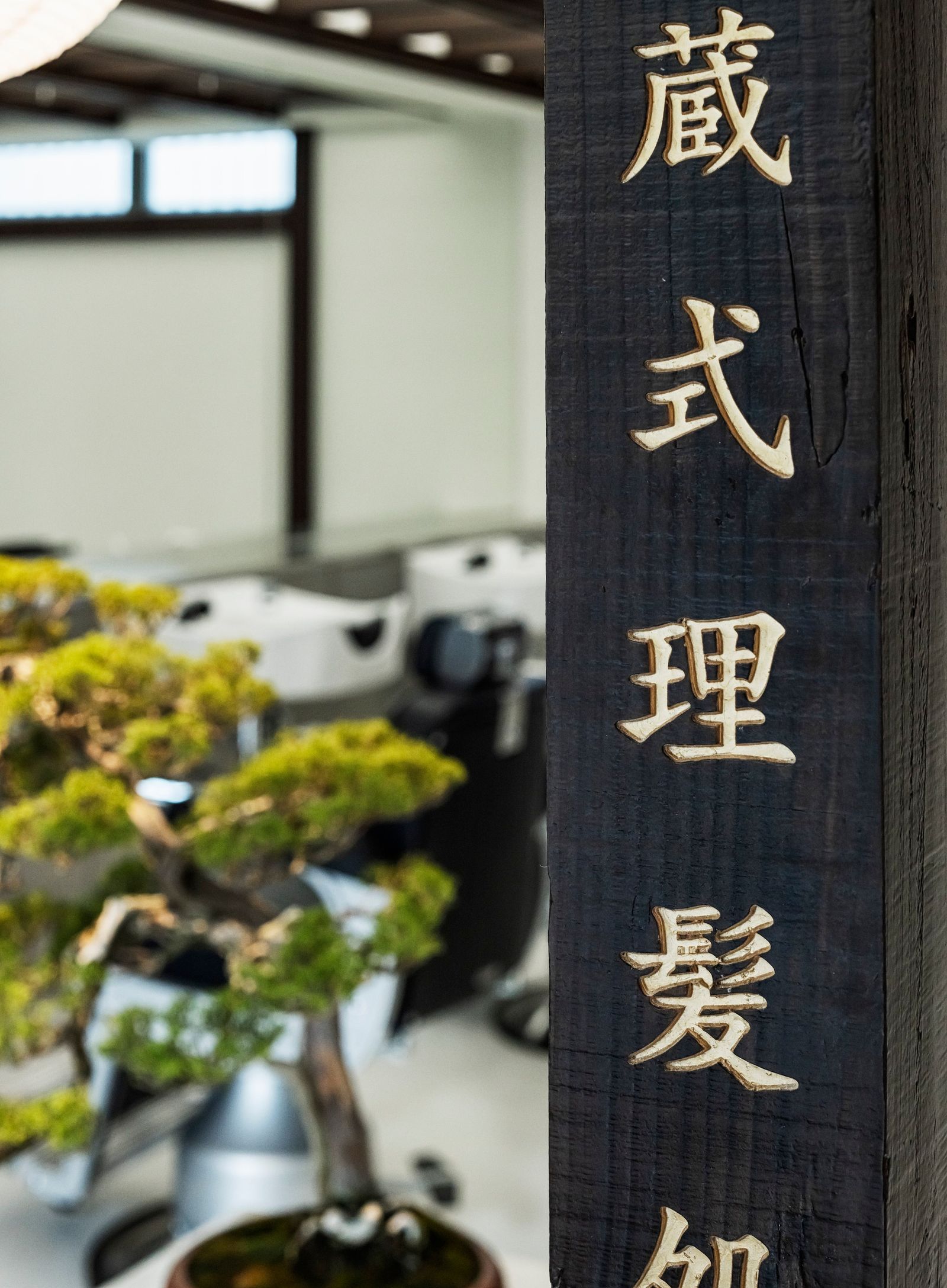
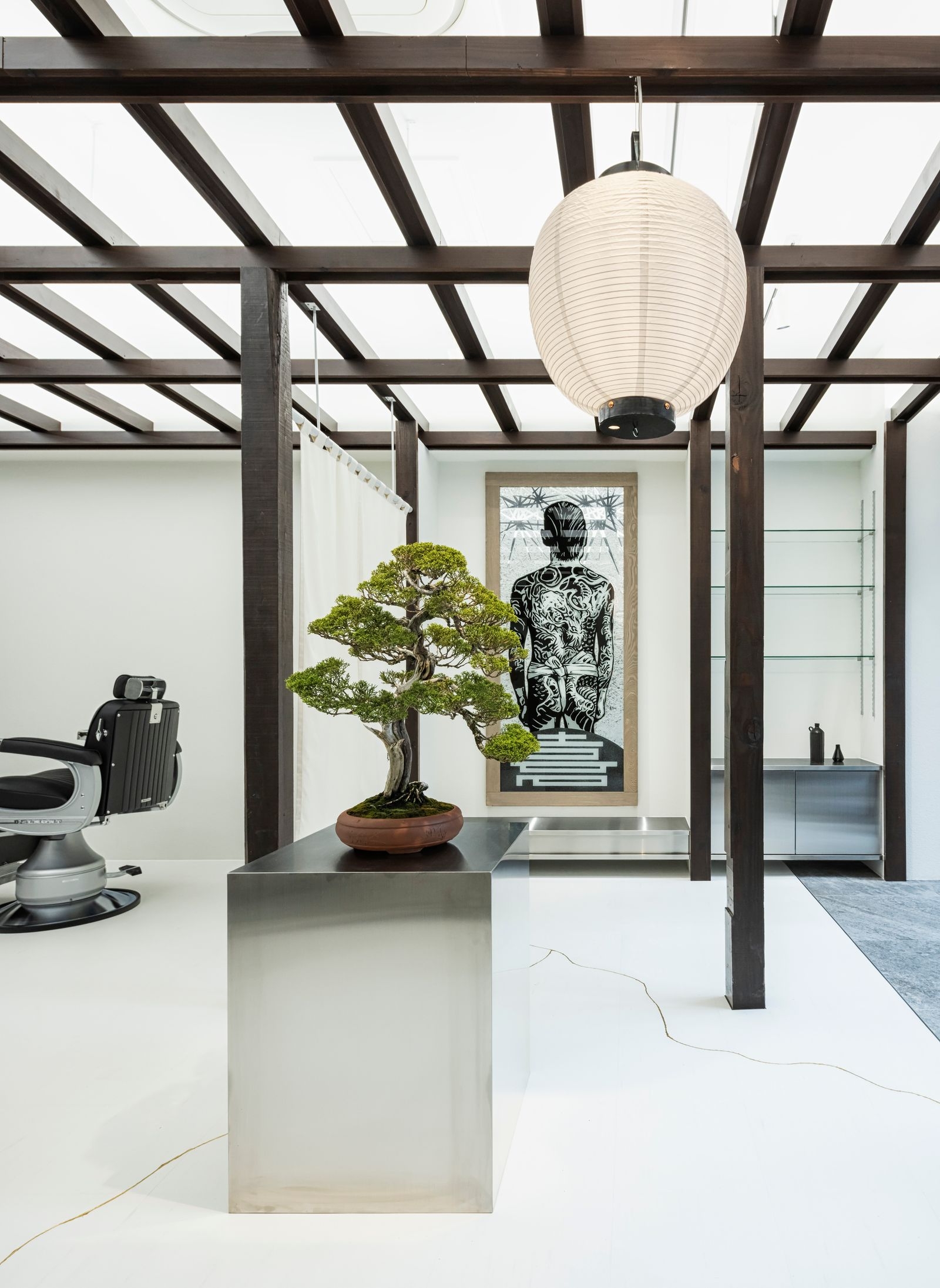
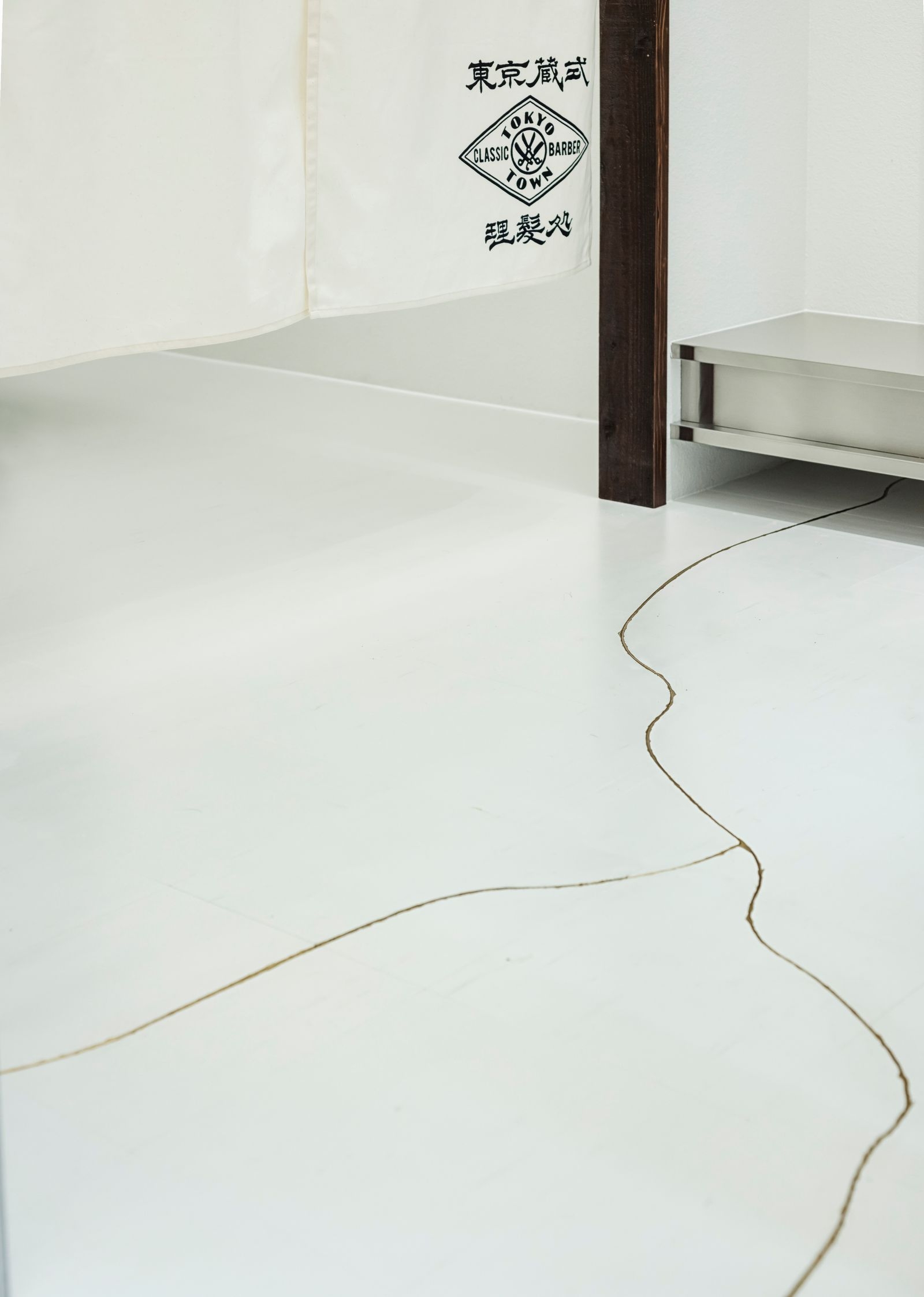
表参道の喧騒を一歩離れた路地裏にひっそりと佇む、 日本の美意識を現代に再構築したフラグシップ・バーバー。 かつて蔵は、価値あるものを守り、蓄える場所であった。 その空気を手がかりに、空間は古材柱と格子天井がつくる奥行きと余白を核に据え、 都市の日常からそっと切り離された、静けさのある間を描き出す。 光はあくまで間接的に、フラットに落とすことで、 明暗の演出ではなく反射による間が都市の中に余韻をもたらしている。 伝統の記号である提灯・暖簾・金継ぎ・盆栽は、土地性と物語を示す。 一方で、家具スケールではステンレス・ガラス細工・サインペインティングが現代性を担い、 日本らしさに固定されたイメージに依存しない、更新されたバーバー像を形づくる。 それらは単なる装飾ではなく、現在進行形の日本の美意識を感じさせる要素として機能している。 空間構成は二層。 通りに開かれたショップエリアは、旅人を迎え入れる「見世の間」。 奥へ進んだ施術スペースは、時間をゆっくりと整える「奥の間」。 この距離が、訪れる者のリズムを生み、体験に深度を与える。 インバウンド客には日本文化への入口として、 地域の人々には日常の延長にある上質な理容文化として開かれている。 サステナブルの提案 日本の伝統を感じさせる素材として、空間を緩やかに仕切る柱と格子天井には古材を採用した。既存資源を循環させるだけでなく、新しい空間に記憶を宿すという精神的な持続性を生み出すことも企図した。 ----------------------------------------------------------------------------------------- Tucked away in a quiet back alley just steps from the bustle of Omotesando, this flagship barbershop reinterprets Japanese aesthetic sensibilities for the contemporary city. Historically, the kura served as a place to safeguard and accumulate objects of value. Drawing from this atmosphere, the space is structured around depth and pauses created by reclaimed timber columns and a lattice ceiling, shaping a calm interval gently detached from the everyday rhythm of the city. Light is introduced exclusively through indirect means, cast evenly and without emphasis, allowing lingering reflections—rather than contrasts of brightness and shadow—to establish a sense of ma within the urban environment. Traditional signifiers such as lanterns, noren curtains, kintsugi, and bonsai articulate a sense of place and narrative. At the scale of furniture, however, stainless steel, crafted glass, and hand-painted signage assume the role of contemporaneity, forming an updated image of the barbershop that does not rely on fixed or nostalgic notions of “Japaneseness.” These elements function not as decoration, but as expressions of a living, evolving Japanese aesthetic. The spatial composition unfolds in two layers. The shop area, open to the street, acts as the mise-no-ma—a room that welcomes passersby and travelers alike. Deeper within, the treatment area becomes the oku-no-ma, a space where time is gradually recalibrated. The distance between these two zones generates a rhythm for the visitor, lending depth to the overall experience. For international visitors, the barbershop serves as an entry point into Japanese culture; for the local community, it remains an extension of everyday life—offering a refined and enduring barbering culture. Sustainability Reclaimed timber was selected for the columns and lattice ceiling that gently articulate the space, evoking a sense of Japanese tradition. Beyond the circulation of existing resources, the project also seeks to cultivate a form of cultural sustainability—embedding memory within a new environment and allowing it to endure over time.