
補足資料
PROJECT MEMBER

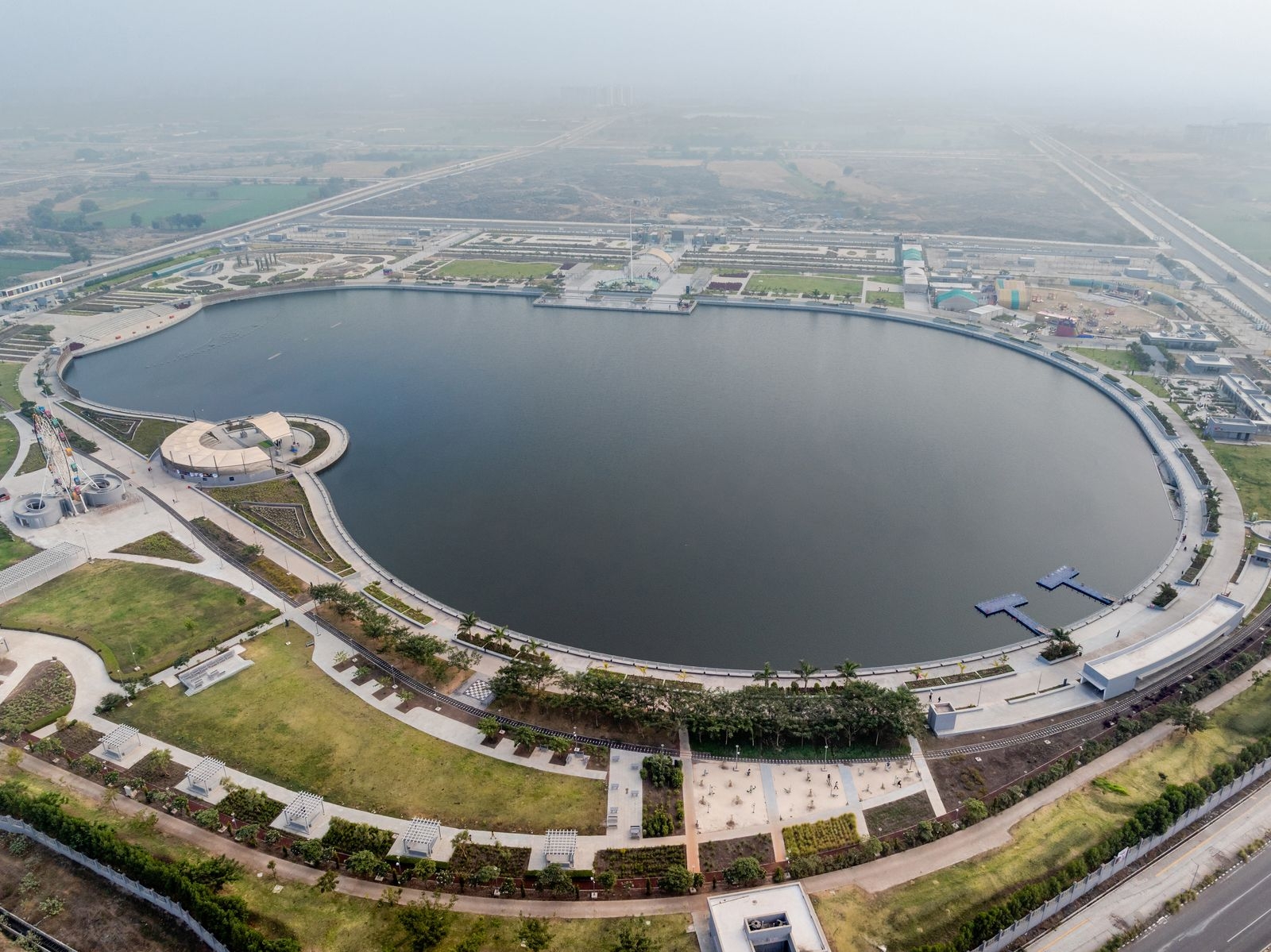
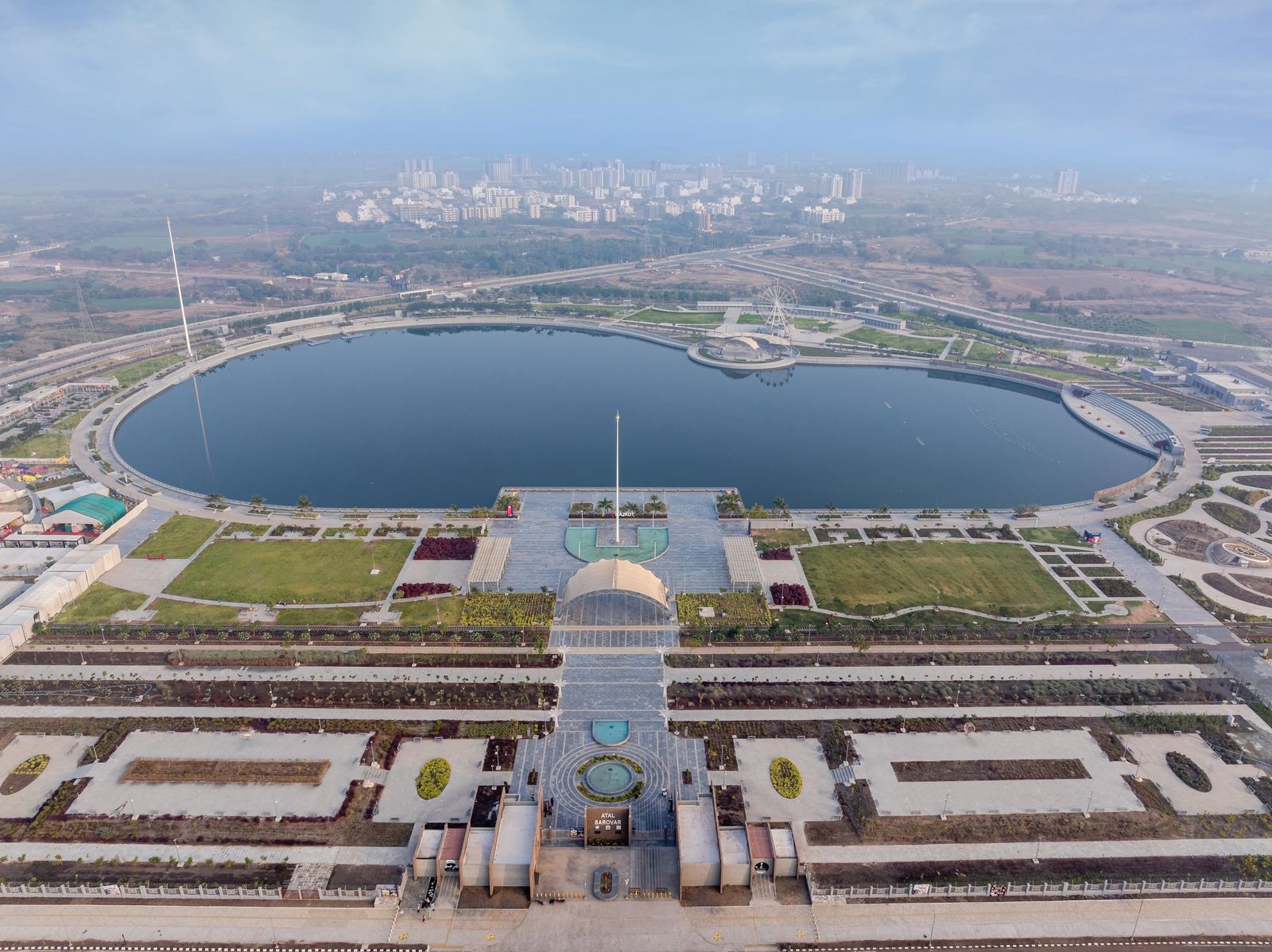
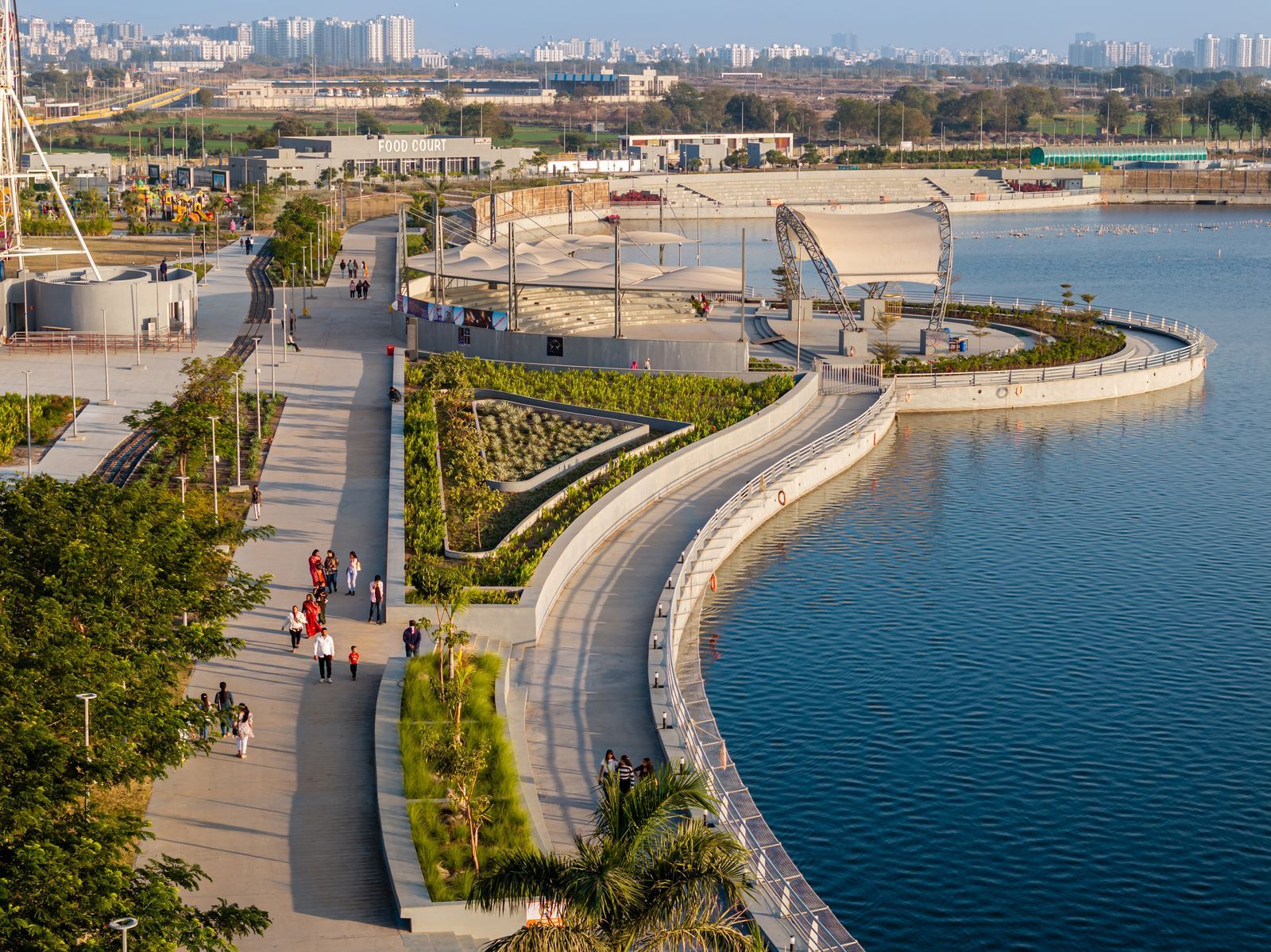
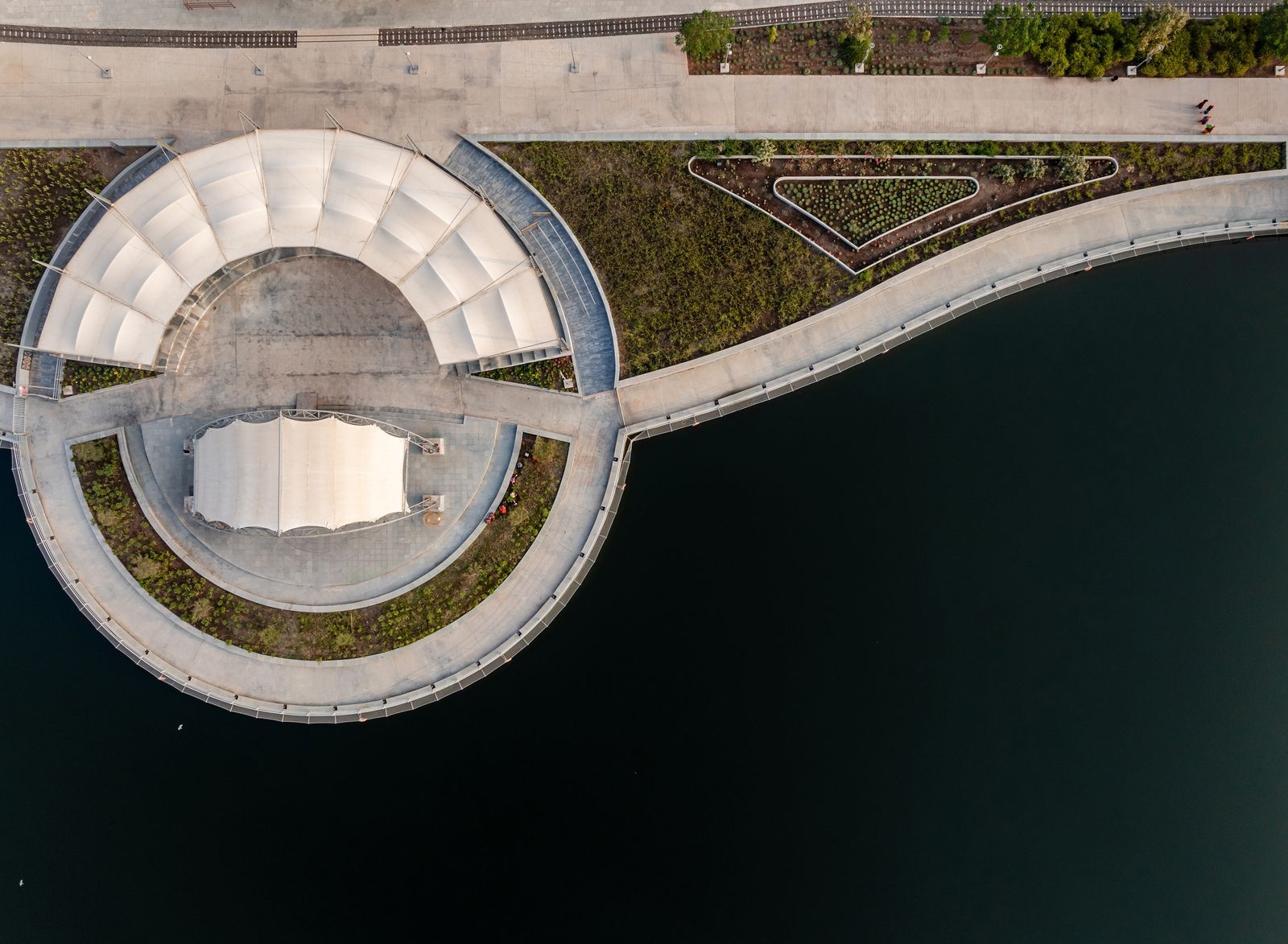
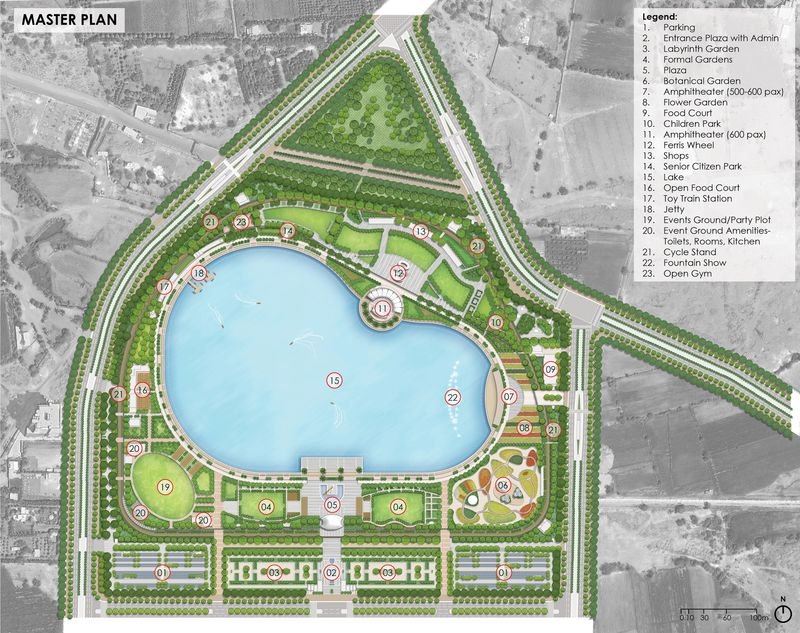
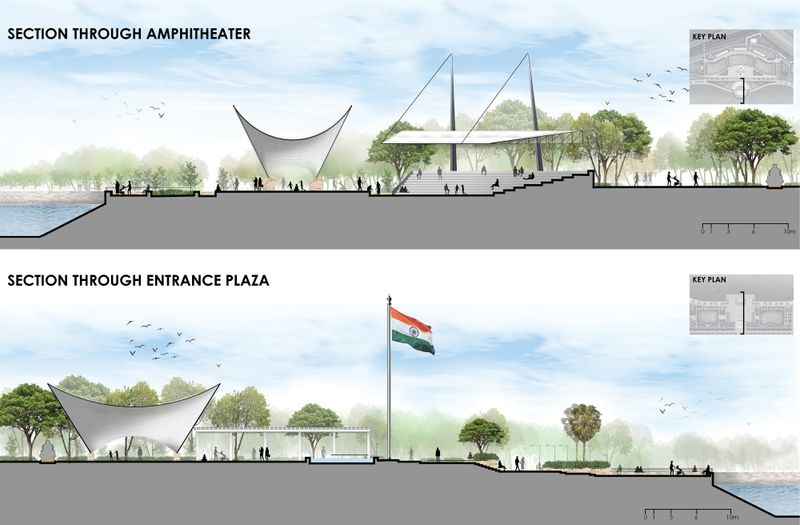
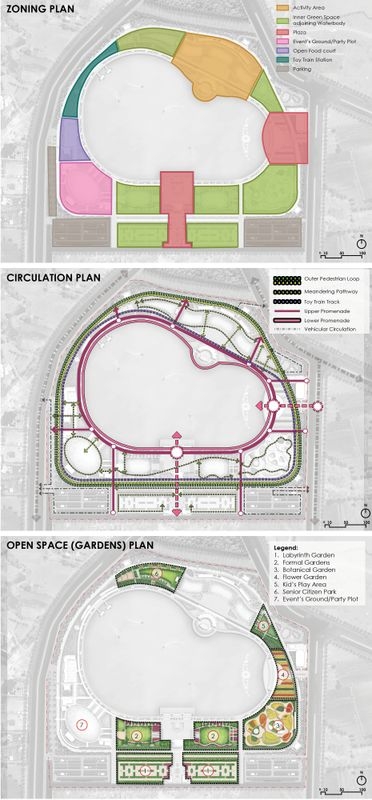
Atal Sarovar—a rejuvenated urban lake named after India’s former Prime Minister Atal Bihari Vajpayee—is a flagship project within Rajkot’s Smart City initiative. Situated within a 930-acre greenfield precinct, the project transforms a low-lying natural depression into a multifunctional urban waterbody that integrates stormwater management, ecological regeneration, and vibrant public spaces. Conceived through the principles of water-sensitive urbanism, it repositions urban hydrology as a driver of sustainable design and inclusive city-making. The project began with comprehensive environmental and hydrological studies, which informed the strategic reshaping of the lake-bed and optimization of its natural catchment area to improve both water retention and quality. Atal Sarovar now serves as a dynamic reservoir, capturing stormwater runoff while also receiving tertiary-treated water from a nearby Sewage Treatment Plant. This was enabled through a network of stormwater drains, underground pipelines, and a dedicated pumping system—supported by aeration fountains and microbial cultures to maintain water quality. This dual-source water system ensures year-round presence of water and improves groundwater recharge. Flood mitigation was a core design consideration. Outlet structures were calibrated based on a 100-year return period, and the design balances engineered hydrology with environmental stewardship, emphasizing resilience under changing climatic conditions. The phased execution began with land preparation and geotechnical studies, followed by edge reinforcement using stone pitching and geotextiles to prevent erosion. The project also involved diversion of untreated wastewater, strengthening of embankments, and careful grading to increase capacity. The contours of the existing terrain were retained and enhanced, guiding the excavation and embankment formation. Sustainable Drainage Systems (SuDS)—including bioretention cells and permeable paving—mimics natural hydrological cycles and supports wetland habitats, adding ecological depth to the design. Material selection reflected both durability and sustainability. Locally sourced stone and stabilized earth were used for embankments and terracing. Walkways, decks, and viewing platforms were constructed using recycled timber and concrete, reducing the project's carbon footprint while ensuring long-term performance. Around the lake, layered public spaces have been carefully curated. Amphitheatres, cultural lawns, nature trails, and viewing decks animate the lakefront, while a continuous network of pedestrian and cycling paths promotes non-motorized mobility. These amenities encourage inclusive access, civic participation, and seasonal cultural programs, making the lakefront an integral part of daily urban life. Importantly, Atal Sarovar is part of a broader hydrological network. It is interconnected with two other lakes in the Smart City precinct, and its overflow discharges into the nearby Nyari Dam, strengthening Rajkot’s water resilience while enhancing ecological continuity across urban scales. Smart infrastructure—such as real-time water quality sensors, CCTV monitoring, solar panels, and integration with the city’s command center—ensures long-term functionality and public engagement. Since its revitalization, the lake has emerged as a lively civic space—catalyzing social interaction, celebrating local ecology, inviting investments in the region, and modelling how public landscapes can be both infrastructural and cultural assets. The transformation of Atal Sarovar exemplifies the evolving role of water in shaping resilient, inclusive urban futures.