![小野寺匠吾建築設計事務所 [ Office Shogo Onodera / OSO / オソ ]](https://asset.tecture.jp/uploads/upload_image/image/541560/71c495c2-7c94-4ced-8fd5-b888d7ff824a.png?width=800)
補足資料
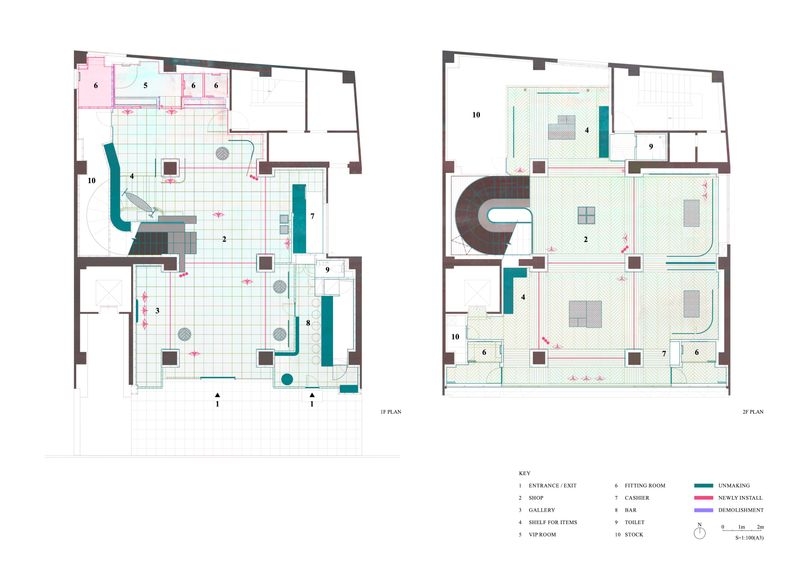
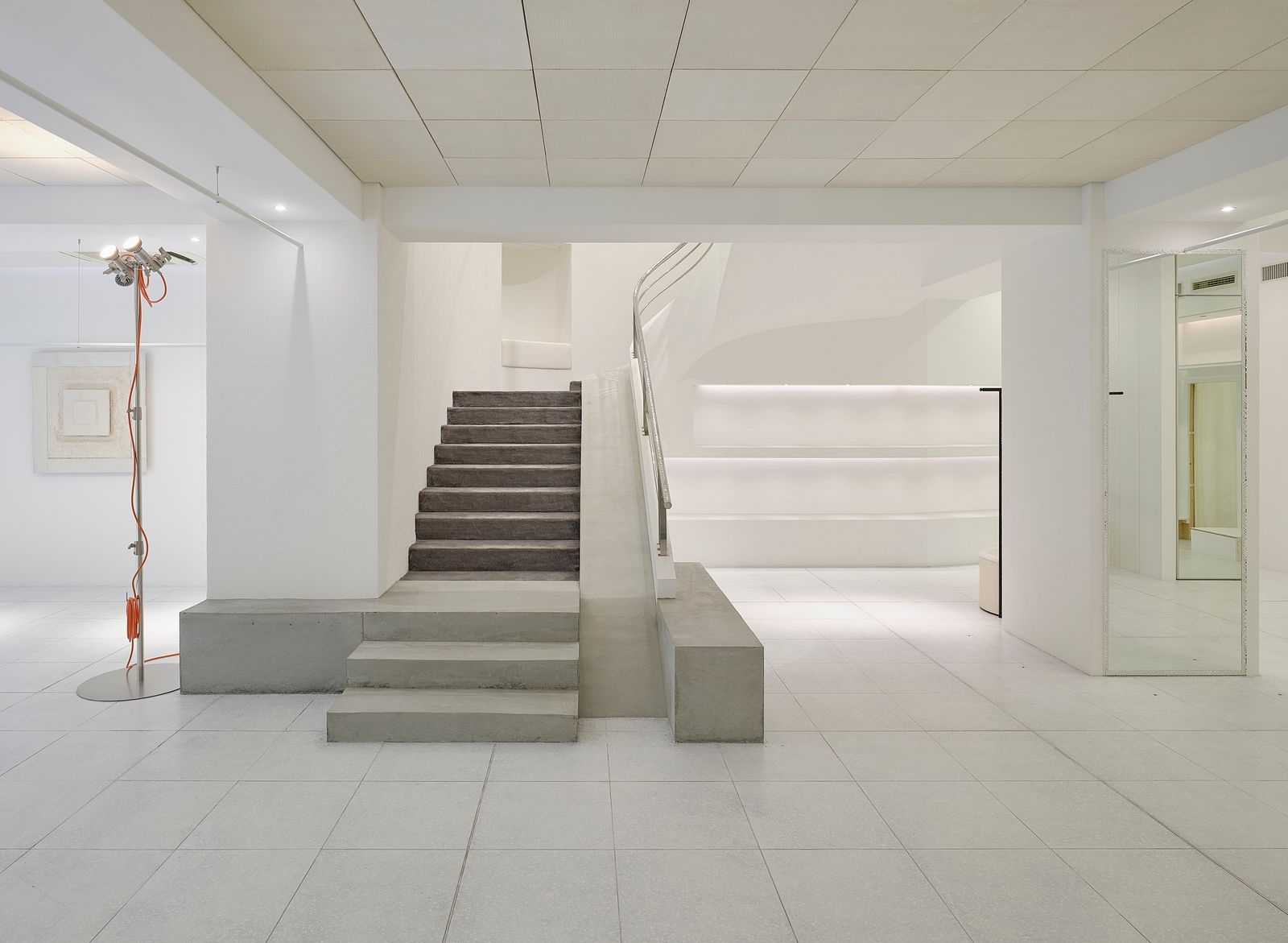
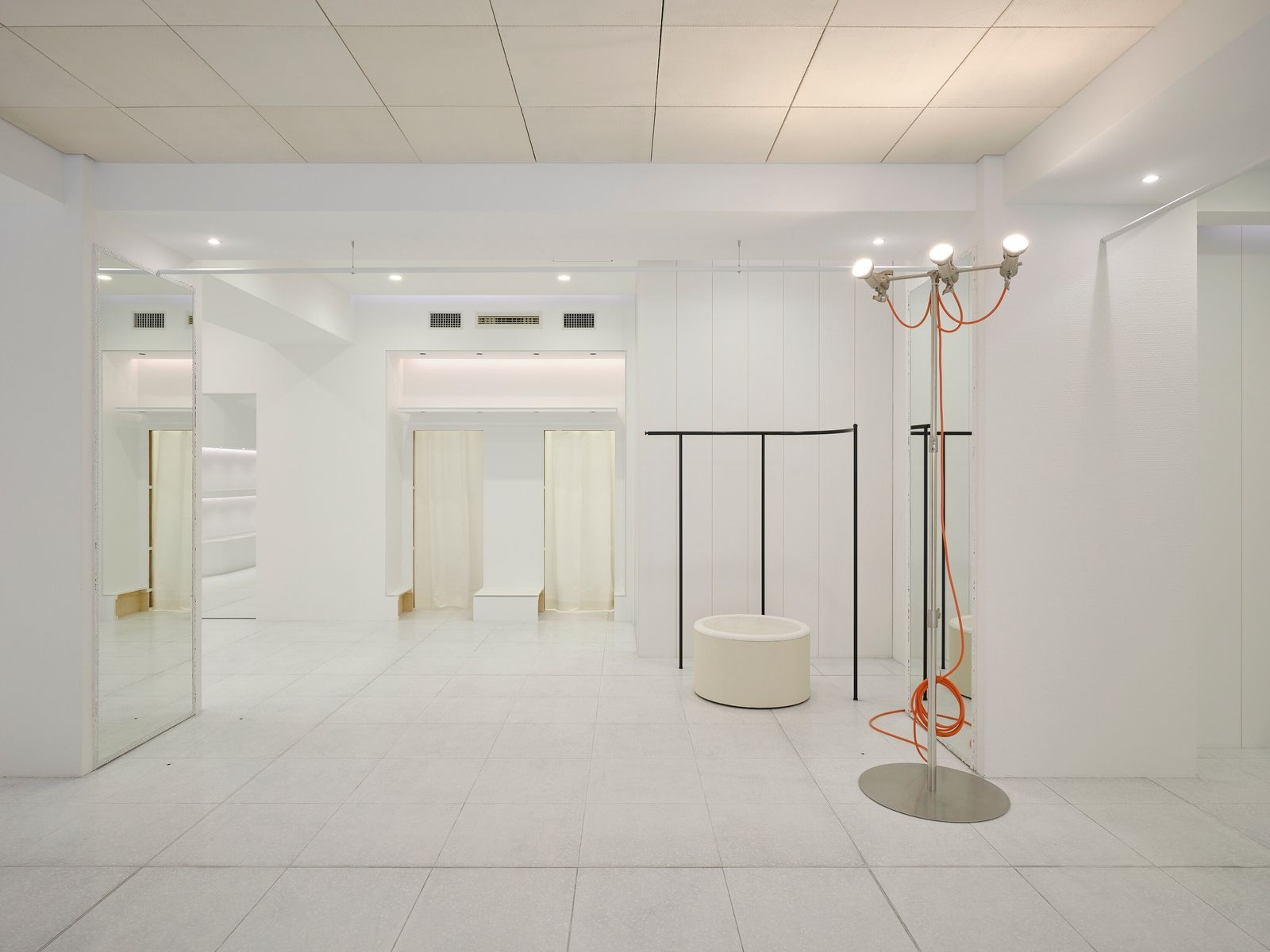
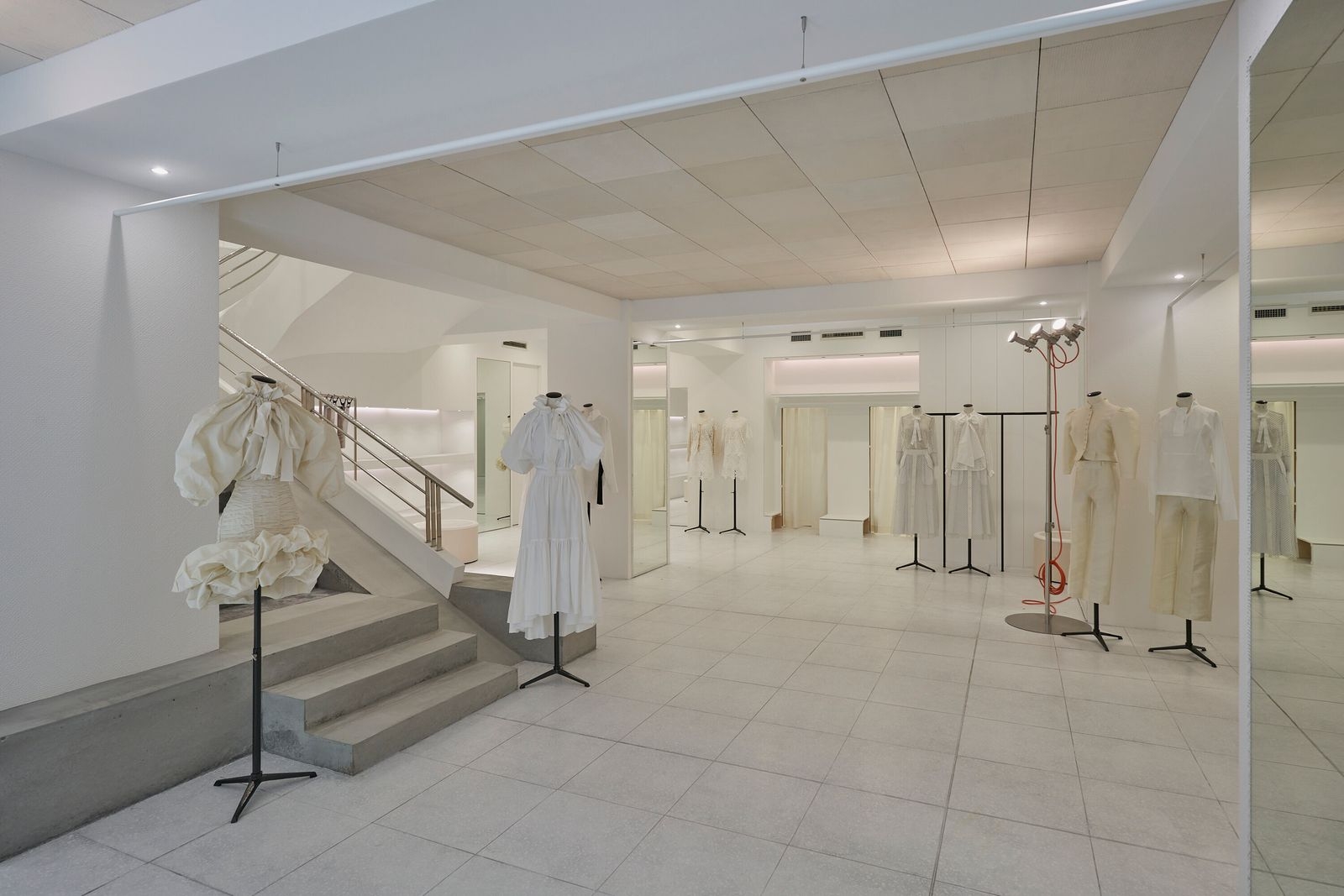
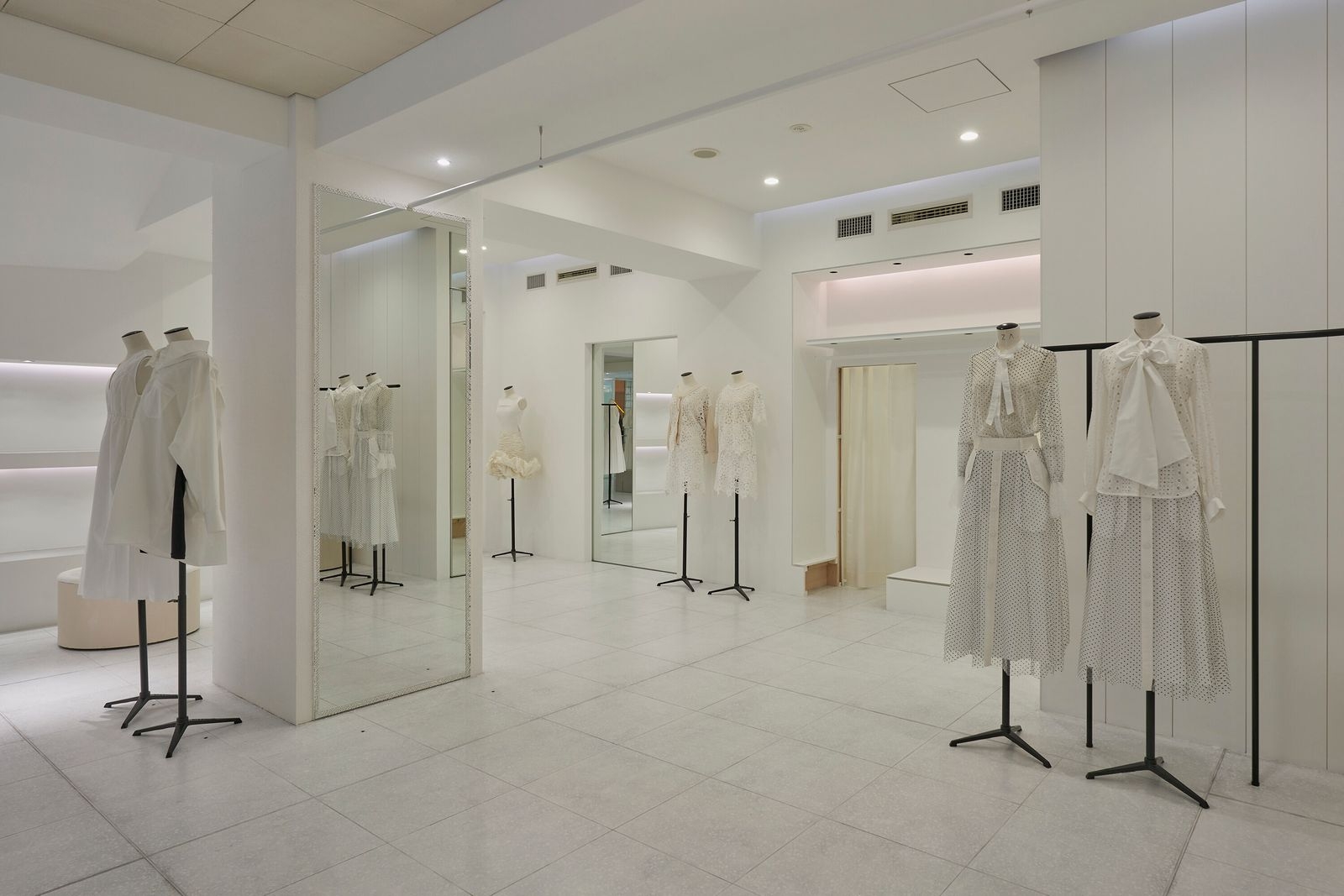
東京の南青山にあるセレクトショップ「IZA」の移転プロジェクトである。 「IZA」は骨董通り沿いの路面店で約10年の間多くの人々に愛され利用されてきたセレクトショップである。 既存店ビルの解体に伴い振り返ってみると、この10年の間に取り扱うブランドのデザイナーや消費者の意識、社会の潮流などにたくさんの変化があったはずである。ファッション業界だけでなく商業界全体が環境負荷などの課題を認識する時代になったにも関わらず、未だに新店舗を構える際には大量の廃棄と新素材を使用して煌びやかな世界観を作り込むことに躍起になっているのが現状だ。 新店舗のための移転先物件は前アパレルショップの店舗を居抜きで契約していたこともあり、これをIZAの新しい姿勢を示す場所とするにはいい機会だと考えた。そこで私たちは「解体をデザインする」というコンセプトを打ち出した。 この提案は、これからの時代の商業店舗開発をどう考えていくか、という大きな課題を背景として抱えている。じっくり解体にこだわることで商業界に対する新しいアプローチを切り開き、デザインという概念を実践的にUnmakeすることに挑戦したプロジェクトである。 Unmakingという設計手法 「解体をデザインする」というコンセプトを考案し、その設計手法を「Unmaking(アンメイキング)」と名付けた。「作ることを否定しながら作り上げること」を意味する造語である。 現代に生きる僕たち建築家は様々な側面で、作ることと作るべきでないことについてじっくりと考え向き合う必要がある。その先で、見たことのない世界を見せることができているかどうか、そのレベルまでちゃんとリーチできているかどうかが問われていると感じている。 「Unmaking」することは解体廃棄が出ないことだったり、解体しないことだったり、解体しながら考えることであったり、解体したら完成している状態も含む行為だと考えている。解体のプロセスが同時に完成につながっていて、それが同時に現状の課題の改善に向かうという状態そのもの(回復)をデザインしている。 「Unmaking」においては壁面や天井に使われていた既存のマテリアルは計画的に下地として再利用、または解体・回収、アトリエに持ち込み再加工をする。再加工の方法は、回収したマテリアルに多彩なメッシュ下地を貼り付け、石膏や樹脂を上塗りした「ギプス」状のプレキャストパネルとして再生する。そしてこれを新店舗の仕上げ(治具)として再利用(治療)するというものだ。 ギプスの下地となるメッシュや既存仕上げの表情が見え隠れして、この店舗は単なる白い箱のように単純なものではなく、深く多彩な白い箱と言える。また解体の際に出た端材などはアートピースとして再構築し、この行為についての示唆を与える装置として機能させた。 --- 3つの手段 このプロジェクトでは3つの手段によりUnmakingを試みた。 1. 覆う [oh-u] cover / wrap 2. 変質させる [henshitsu] alter its quality 3. 転用する [ten-yo] repurpose 1. 覆う[oh-u] cover / wrap 解体・廃棄予定であったマテリアルを薄い白層で覆い、空間に新しい表情を与える。既存マテリアルの表面起伏がこの薄い白層に響き、白層自体のテクスチャと混ざり合うことで複雑で多様な表面が至るところに現れる。既存マテリアルを解体せずに下地とすることで可能となる豊かな工芸的表現である。空間の中では既存下地の上に様々な材料を組み合わせて、いくつかの「白」が場所に応じて施されている。 2. 変質させる [henshitsu] alter its quality 真鍮等のメタル系マテリアルを回収し、アトリエに運び込む。メッキを剥がす、あるいは硫黄や酸をかけて洗うことで大きく表面の色味や印象を変質させる。白で覆われる空間の中で、深緑~黒色となった鉄製のマテリアルが対比的なアクセントを生み出す。 一方、化学変化しないクロームメッキのステンレス手すりはハンマーで叩く。伝統工芸の技術を生かし、槌目加工を丁寧に施すことで、重厚な手すりはさらなる存在感をもって吹き抜け空間をゆらめきのある輝きで照らす。既存マテリアルそれぞれの物性を考慮したアプローチによって人の手を加えることが、新たな表現の探求につながる。 3. 転用する [ten-yo] repurpose 撤去されたマテリアルや既存什器から、新たな価値・機能を創出する。「覆う」「変質」させるといった手段を用いて店内装飾用のアートピースや什器として再構成する。 現場に初めて入った際に見た光景は、既存バーカウンター上部に朽ちた状態で残されていた既存店舗の吊り照明であった。この象徴的な姿を商業の極限状態を示すサインと見立て、これを別の照明器具として転用した。世界の「状態」を表現するシンボルとして再生し、店舗の要となる吹抜け空間に移設・再配置した。 --- これまでファッションの世界を切り開いてきたアヴァンギャルドなデザイナーたちのように、この店舗が次なる商業世界への姿勢(ニューラグジュアリー)を示す一端を担うような存在となることを願っている。 “Unmaking” is an experimental design approach that was implemented at IZA Tokyo, a fashion store in Tokyo. The site had been handed over before demolishment, with the previous store’s interior materials still intact. This gave us an opportunity to develop our new design approach, called “Unmaking”, to recalibrate our commitment to sustainable methodologies. The “Unmaking” process adopted 3 types of actions to transform the existing materials: wrap / alter its quality / repurpose. While designing the new store, we focused on demolition itself to reduce waste and new materials, creating a high-quality space filled with fine details like craft techniques. The importance of sustainability is spoken in retail, but in reality new collections are constantly released, stores are updated, and old items are discarded. This is not limited to the fashion industry - it can be said of the entire consumption-based world (capitalist society). We architects in the modern era should carefully consider and confront what should and shouldn't be made in various aspects. By designing through demolition, we employed these three methods of "unmaking”: 1. 覆う [oh-u] cover / wrap Materials that were due to be discarded were instead covered with a thin white layer, to give a rich artistic expression only made possible by using such materials. Plaster and Jesmonite were combined on the existing surfaces, and various "whites” were applied. 2. 変質 [henshitsu] alter its quality Metals such as brass were taken to a studio and washed with sulphur and acid to significantly alter the colour and surface impressions. Whereas the stainless steel handrail was hammered in a traditional craft technique, giving it a greater presence with its shimmering glow. Adapting the methods to each material’s properties led to new forms of expressions. 3. 転用 [ten-yo] repurpose The removed materials were given a new value or function. Using the above methods, they were reconstructed as art pieces and fixtures. The hanging light that had been left to decay above the existing bar counter became a sign of the extreme state of commerce. It embodied a symbol of the "state" of the world, and it was adapted and relocated to the store’s central core. There is an underlying aim to rethink retail development in the future. By focusing on demolition, it opened up a new approach in the commercial world, and aimed to unmake the concept of designing process itself.