
PROJECT MEMBER

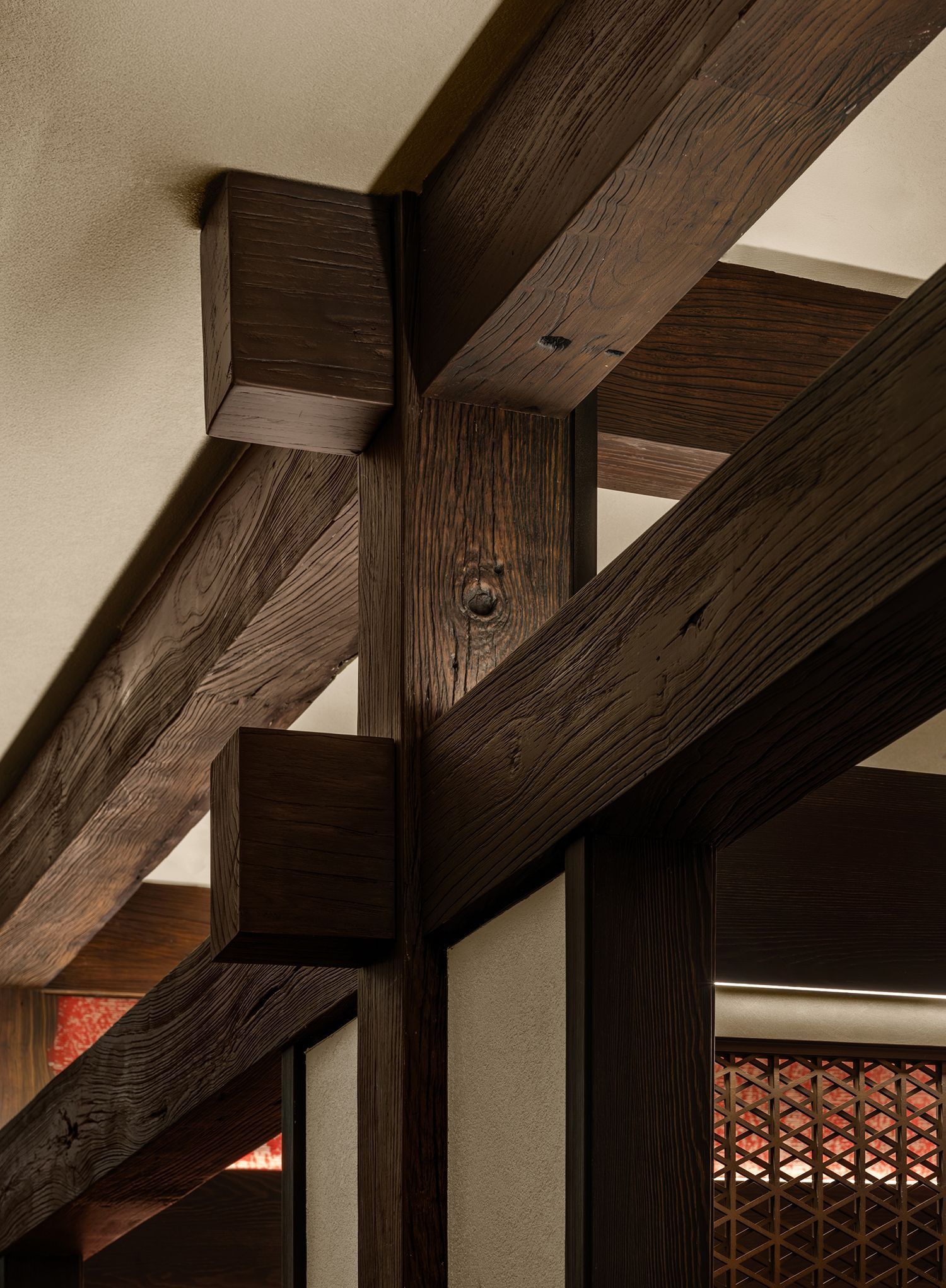
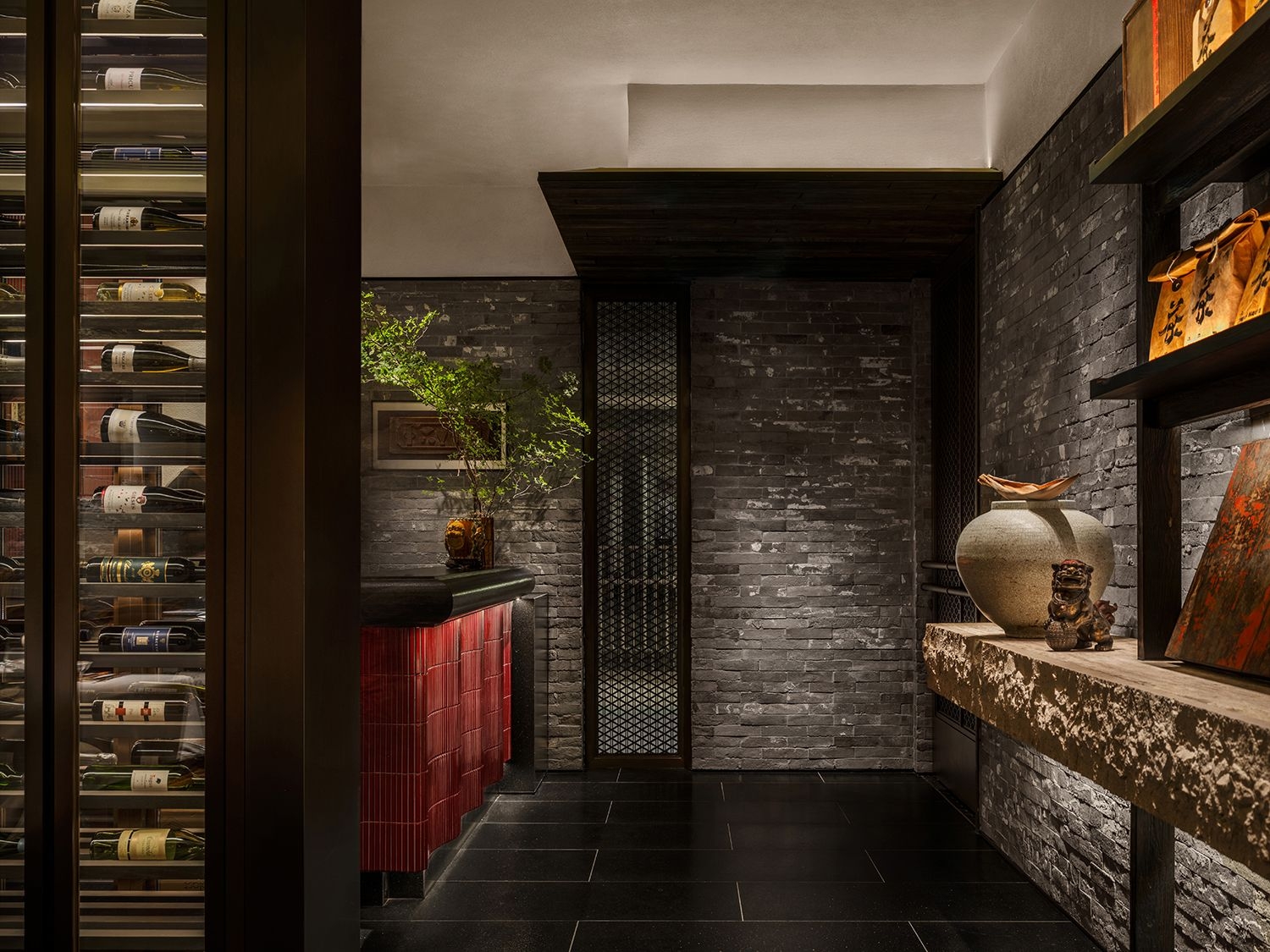
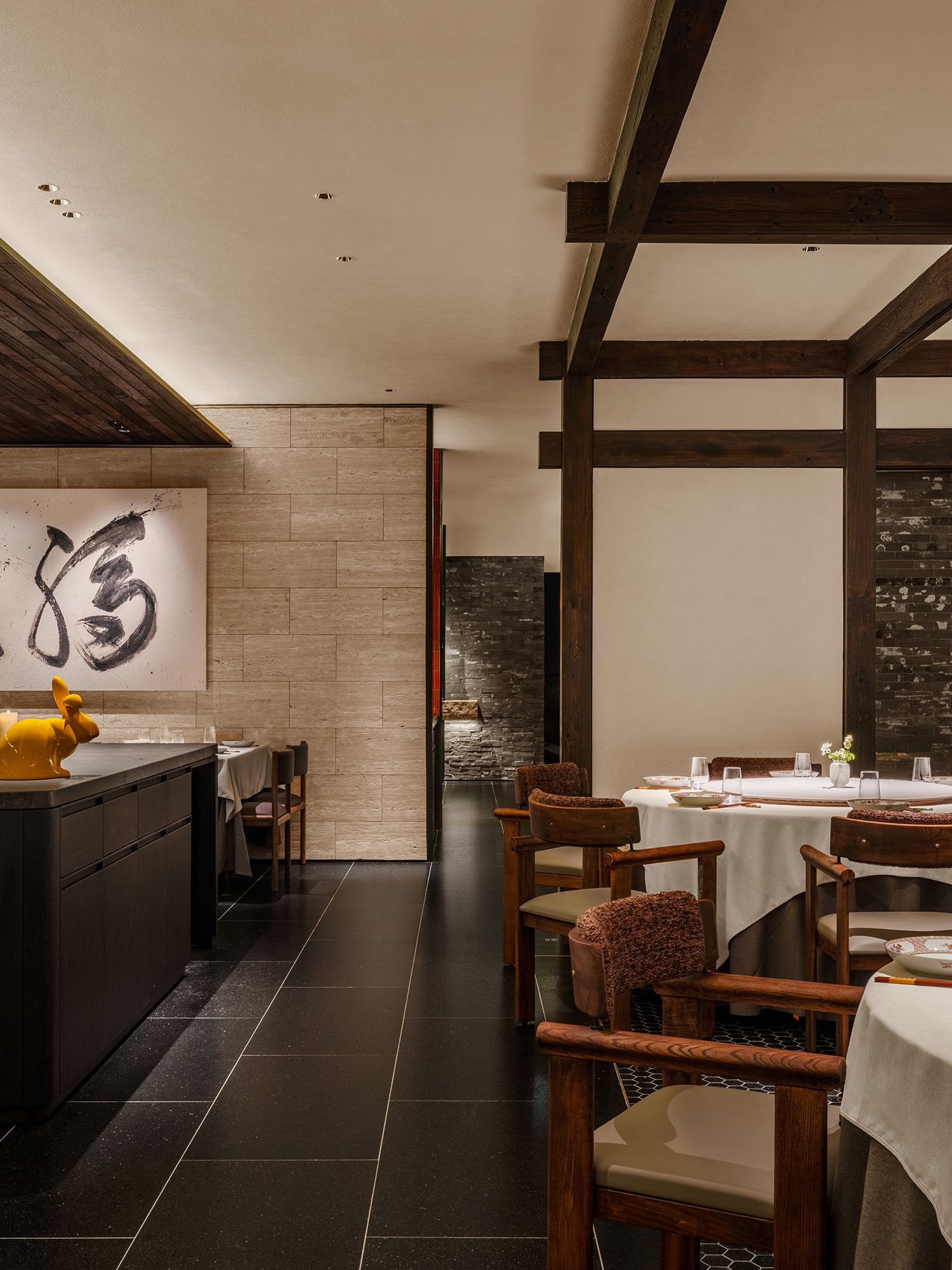
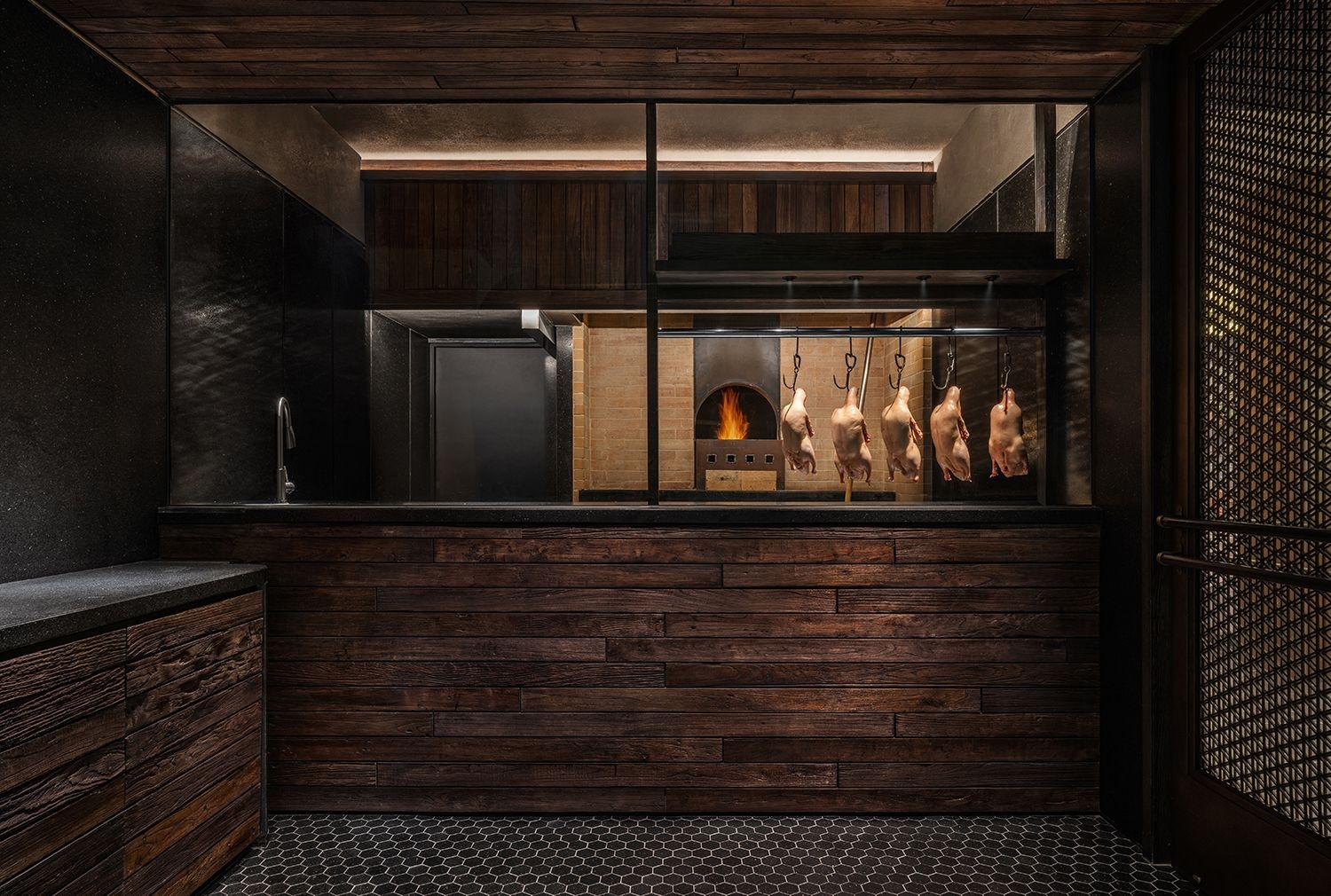
Wu Wei: Four Seasons Min Fu’s First Singapore Outlet — Tradition Sets Sail, Delight Multiplied | Strategic Dining Back to the Roots, Tradition Reimagined Making the first overseas venture of a renowned Beijing brand an emotional bridge and a cultural prologue. Starting from Beijing, meeting the world. From bustling hawker centers under public housing blocks to top-tier restaurants above the clouds, Singapore — this busy port between the Pacific and Indian Oceans — embraces all cuisines, making it a global stage and testing ground for dining. Today in Singapore, a ship arrives or departs every three minutes, and an aircraft takes off or lands at Changi Airport every 100 seconds. Four Seasons Min Fu’s new outlet signals that this famous Beijing roast duck brand is joining this vibrant commercial flow. Designer Wu Wei of IN.X strips away the excess and returns to the essence, highlighting the brand’s proud Beijing heritage to connect deeply with people. This marks not only the starting point of the brand’s overseas journey but also a heartfelt arrival across oceans. Chapter 1: Spatial Identity — Tradition Used, Surprise Multiplied Behind the food lies a lively society. On the world culinary map, Singapore carries little historical baggage — under the mainstream of food commercialization, it is a country where people spend generously on dining, while hawker stalls thrive under the “homeownership for all” policy. What we see is a free and prosperous social structure reflected in its food culture. Against this backdrop, the designer naturally shaped Four Seasons Min Fu’s first overseas outlet: the space serves as an annotation of the brand’s DNA. While the brand has continuously expanded domestically, the Singapore store returns to and reinterprets its core. When Beijing’s vibrant tradition lands in this lively, diverse, and historically unburdened food constellation, it shines brightly. At the Sentosa store, the designer creates a convincing, gentle connection, blending past and present, tradition and internationality into a comfortable new setting. Within just 380 sqm, all materials — old timber, stone, blue bricks, furniture, tableware, and artworks — were transported from China and handled with precise, contemporary proportions and details. It is not imitation, but a respectful dialogue between cultures. Tradition here is not a style, but a narrative of context and honesty of materials. In the end, diners entering the space feel both inspired by tradition and comfortably lifted out of nostalgic habits by modern techniques and aesthetics, clearly sensing they are in a dynamic contemporary commercial environment. Chapter 2: Spatial Atmosphere — Creating a Global Sensibility Upon entering, an old elm-wood display kitchen frames the duck oven. The aged wood tone and traditional cooking method form an emotional anchor at the entrance, while the oven fire gathers energy, creating a warm, sheltered atmosphere that needs little additional decoration. Moving into the dining area, the undulating reception bar and façade are clad in red mosaic tiles, transforming a heavy solid volume into a light, flowing curtain, softening the breath of the space. As the view unfolds, the concept of Beijing’s traditional brick-and-timber residential structure permeates the space, becoming its bones and skin. The space itself turns into a three-dimensional, immersive history — its culture and the passage of time become tangible and perceptible. These structures and images are maximally simplified, allowing their inherent richness and depth to emerge. Tradition isn’t always handled gently. Through refined color tuning, the red in the space varies across structures and furniture surfaces, layered with leather, silk, brick, wood, and pigment to create a dense sensory experience. Lattice patterns are reinvented in metal with layered detailing, giving the booth partitions a bold, contemporary energy within a traditional framework. Different uses of traditional materials clearly define the open seating area and circulation flow, ensuring a transparent spatial ecology. No matter where diners sit, small details and the broader atmosphere envelop them comfortably. Ancient wood carvings, sculptures, paintings, lion-and-beast brick reliefs — fragments of civilization and history spanning eras — are placed throughout the space, appearing and receding as guests move. Blue-and-white tableware glimmers as glasses clink, evoking the ongoing evolution of time. What remains unchanged is people’s enduring passion for flavor, art, and a better life — the name “Four Seasons Min Fu” itself is an annotation of this longing.
TAGS
1